Spring is happening all around you, and most of it is easy to miss if you’re not paying attention. Frogs start calling. Buds swell on bare branches. Birds return from their winter travels. These simple spring activities for kids turn an ordinary walk outside into a season-long nature adventure.
Time: Varies (5 minutes to ongoing)
Difficulty Level: Easy
Materials
- Notebook or nature journal (optional)
- Pencil or pen
- Calendar (for tracking spring “firsts”)
Spring Get Out Resource
What to Do
- Follow your nose. Spring has a smell. Step outside and breathe deeply. Can you smell wet earth, blooming flowers, cut grass, or rain? Try to find the source of each scent. Walk toward it and identify the plant, tree, or patch of ground it’s coming from.
- Listen for spring sounds. Stand still for two minutes and listen. Birds sing more actively in spring as they establish territories and attract mates. Frogs call from ponds and wet areas, especially at dusk. Flowing water from snowmelt fills streams that were quiet all winter. Count how many different sounds you can identify.
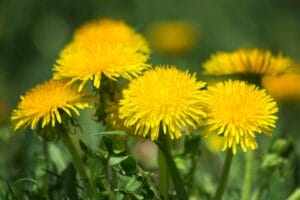
- Start a spring calendar. Record the first time you notice each sign of spring: the first robin, the first dandelion, the first butterfly, the first frog call, the first thunderstorm, the first leaves opening on a tree. Compare your dates from year to year to see how spring’s timing shifts.
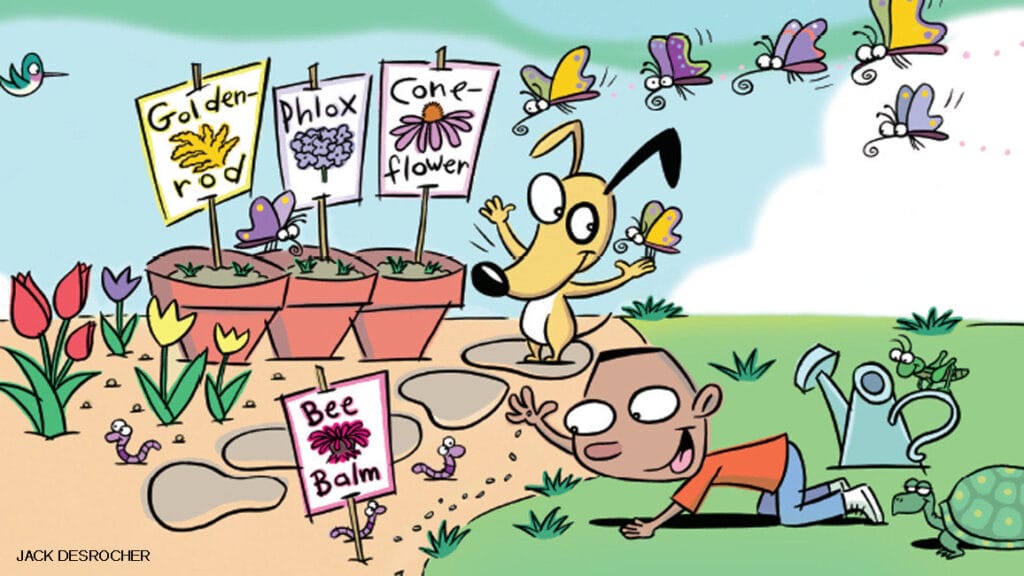
- Plant something for wildlife. Plant flowers that attract butterflies and hummingbirds: native wildflowers, milkweed, coneflower, or bee balm. Even a pot on a windowsill or balcony counts. The National Wildlife Federation’s Garden for Wildlife program has tips for creating a Certified Wildlife Habitat in any space.
- Look for frog eggs. Check ponds, puddles, and ditches for clumps of clear jelly dotted with dark spots. Those are frog eggs. Visit every few days and watch tadpoles hatch and grow.
- Watch for returning migrants. Many birds that spent the winter in Central and South America return to North America in spring. Watch for hummingbirds, orioles, warblers, and swallows. Report your sightings at Journey North to help scientists track spring’s progress across the continent.