Kangaroos lick their arms to stay cool. You? You’re already cool enough. But a few more wild animal facts are always worth knowing.
Spider
A spider has blue blood.
Arachnids (ah-RACK-nidz)
All Animal Facts
Browse facts, grouped by type of animal.
Amphibians
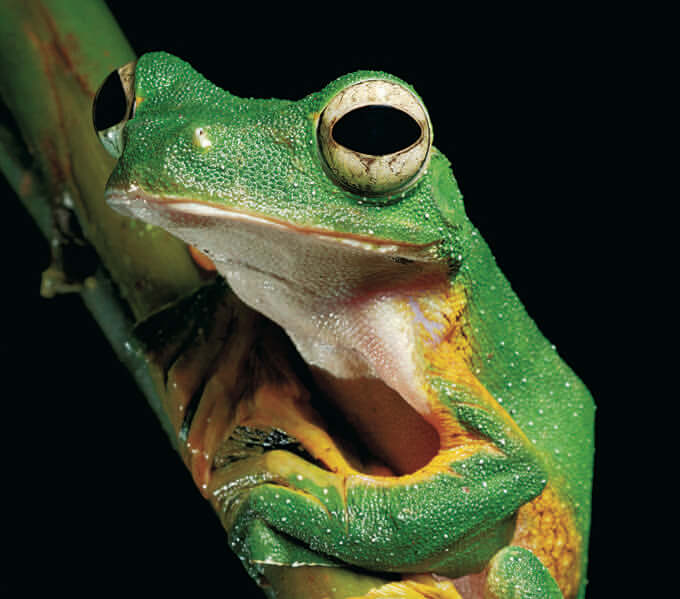
Frog
A frog uses its eyeballs to swallow.
Photo: Ch'ien Lee/Minden
Frog
Most animals would die if ice formed inside their bodies, but that's not so for wood frogs. They can actually freeze nearly solid in winter and then thaw out just fine, come spring.
Photo: Ch'ien Lee/Minden
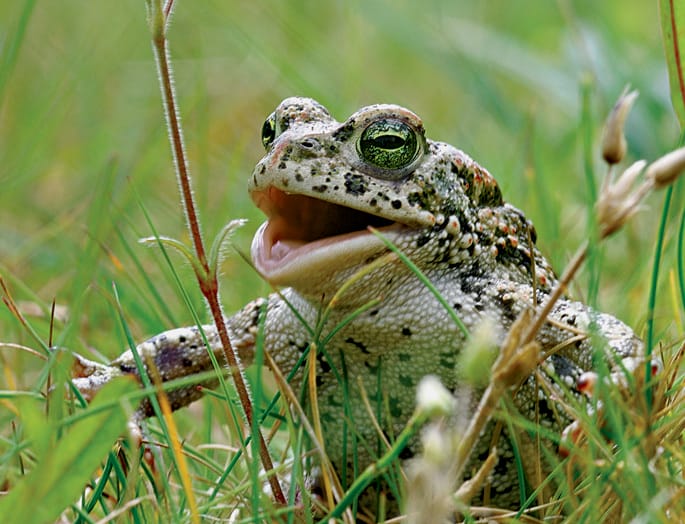
Toad
Toads do not have teeth.
Photo: Jan Baks/NIS/Minden
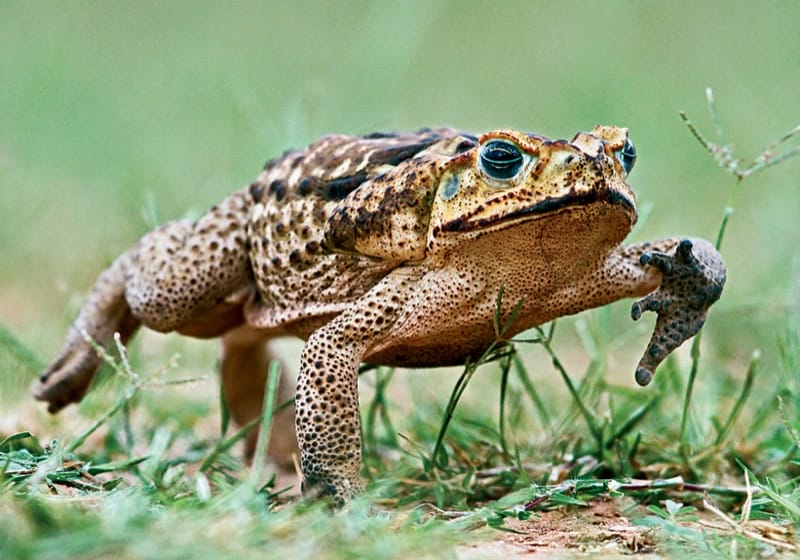
Cane Toad
A cane toad can be as big as a small dog.
Photo: Krijn Trimbos/Minden
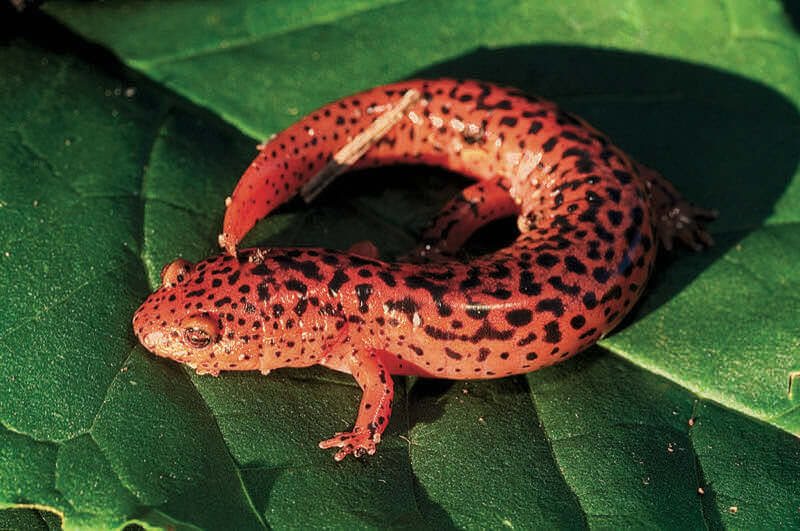
Salamander
Most salamanders breathe through their skin.
Photo: Todd Pusser/Naturepl.com/Minden Pictures
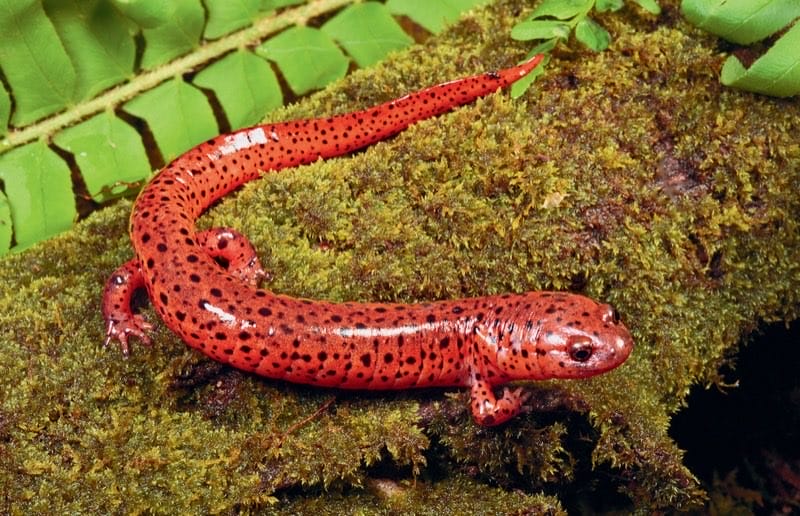
Red Salamander
Red salamanders breathe through their skin.
Photo: George Grall/NatGeo Image Collection/Minden
Cane Toad
A cane toad can be the size of a small dog.
Photo: Krijn Trimbos/Minden
Toad
Toads cannot give you warts.
Photo: Jan Baks/NIS/Minden
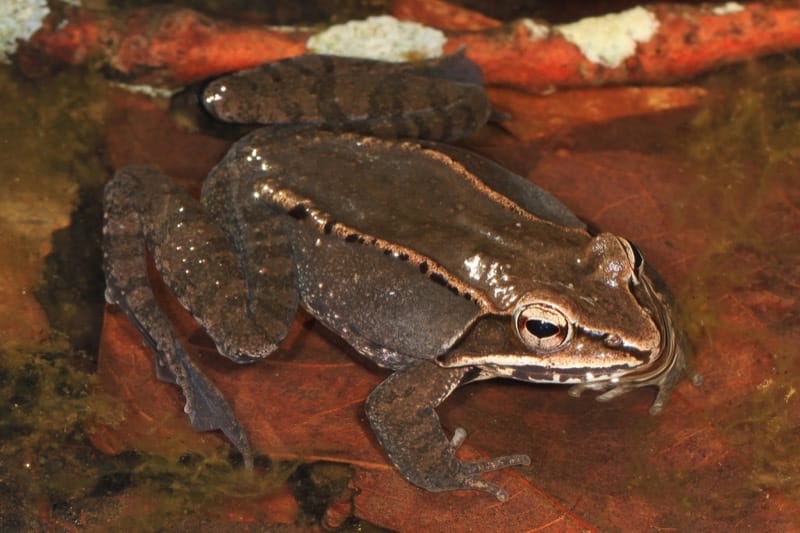
Amphibian
Most amphibians can breathe through their thin skins.
Photo: judygva
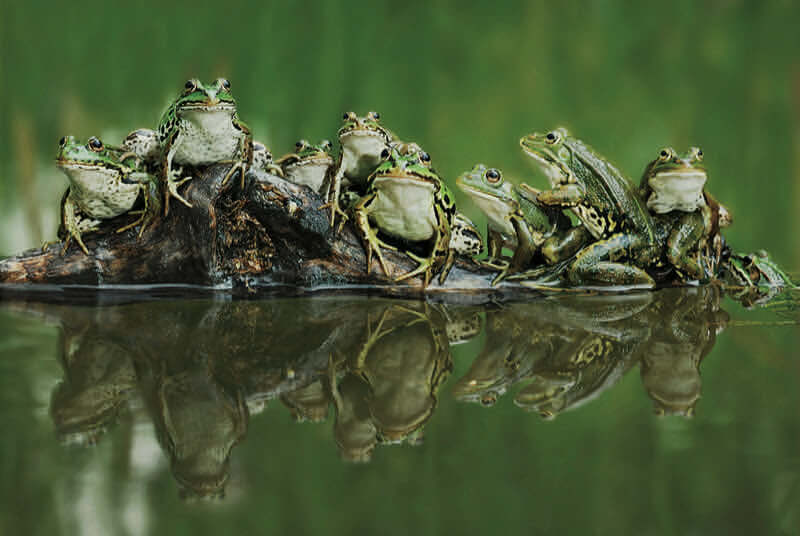
Frogs
Frogs don't close their eyes when they sleep.
Photo: Stefan Huwiler/Naturepl.com/Minden Pictures
Arachnids
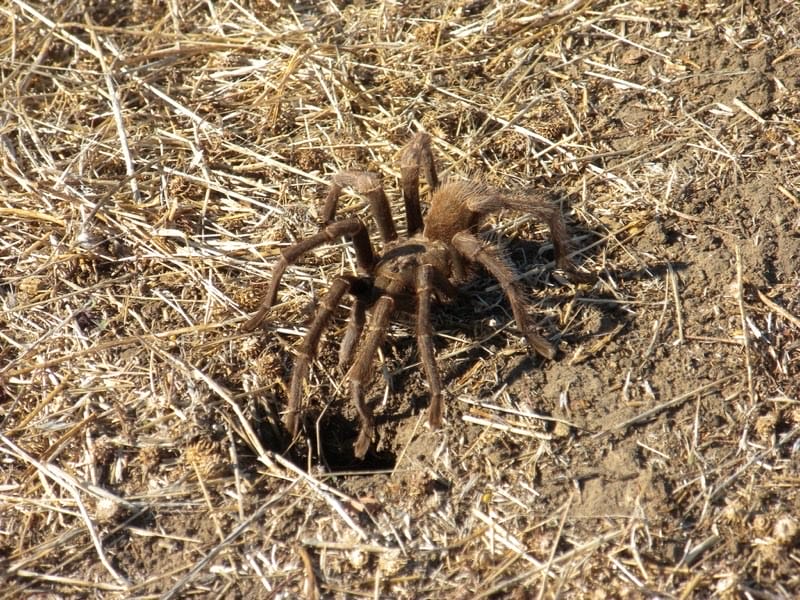
Spider
Not all spiders make webs. Some catch their food by lying in wait, jumping, or chasing.
Photo: Donottick
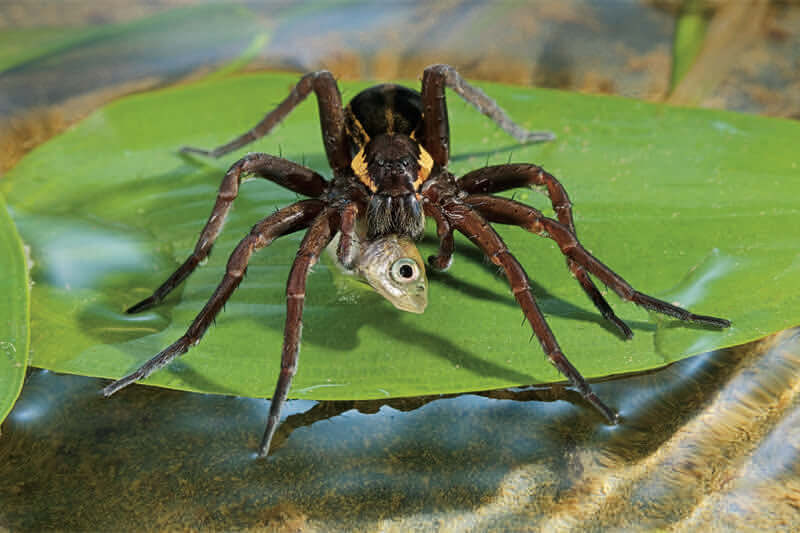
Raft Spider
A raft spider can catch fish.
Photo: Stephen Dalton/Minden Pictures
Spider
A spider has blue blood.
Photo: Donottick
Birds
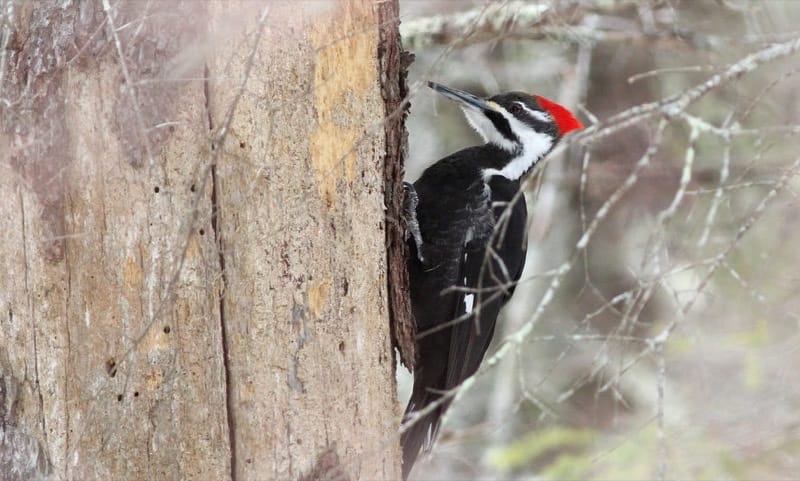
Woodpecker
Woodpeckers avoid brain damage when pecking wood because their heads act as shock absorbers.
Photo: Fyn Kynd
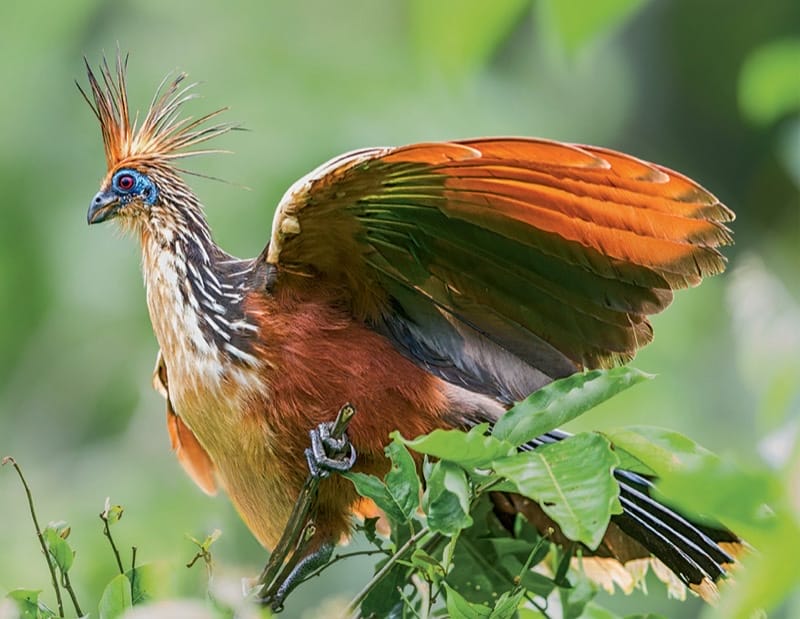
Hoatzin
A hoatzin (hoh-AHT-sin) smells so bad it is known as the "stinkbird."
Photo: Oliver Geiseler/BIA/Minden Pictures
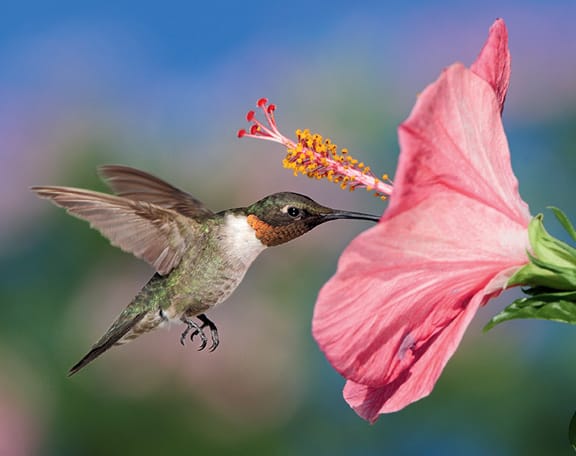
Hummingbird
A hummingbird weighs less than a nickel.
Photo: ROLF NUSSBAUMER / NPL / MINDEN PICTURES
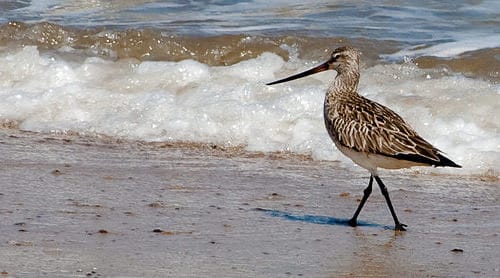
Godwit
The bar-tailed godwit is a shorebird that makes the longest non-stop migration: more than 7,000 miles in 9 days.
Photo: Colin-47
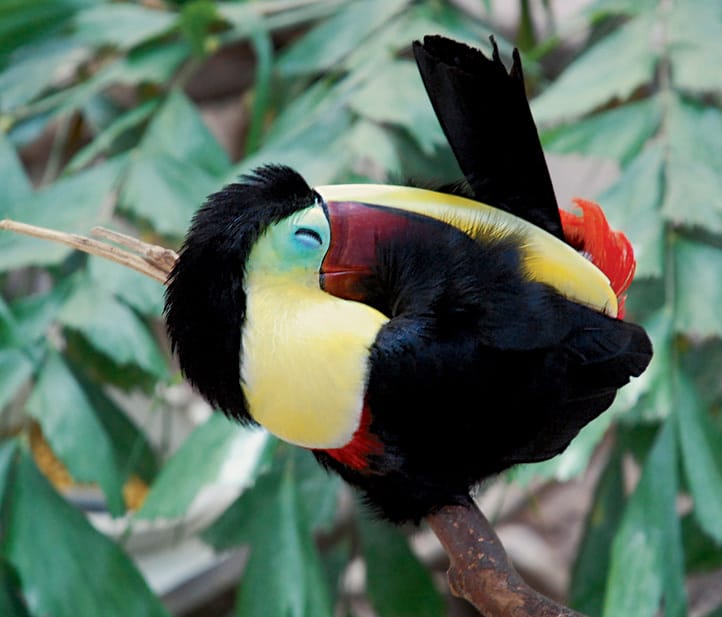
Toucan
A toucan curls up into a ball when it sleeps.
Photo: Paolo de Marchi
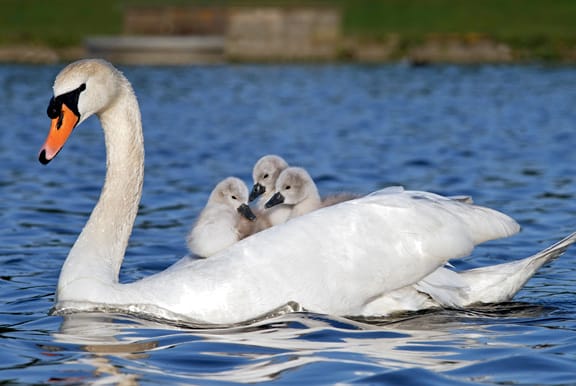
Swans
Baby swans are called cygnets.
Photo: MIKE LANE / FLPA / MINDEN PICTURES
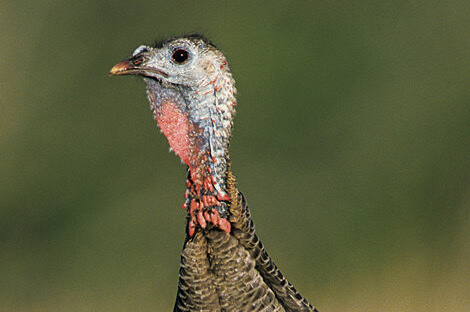
Turkey
Female turkeys don't gobble.
Photo: Rolf Nussbaumer/Naturepl.com/Minden
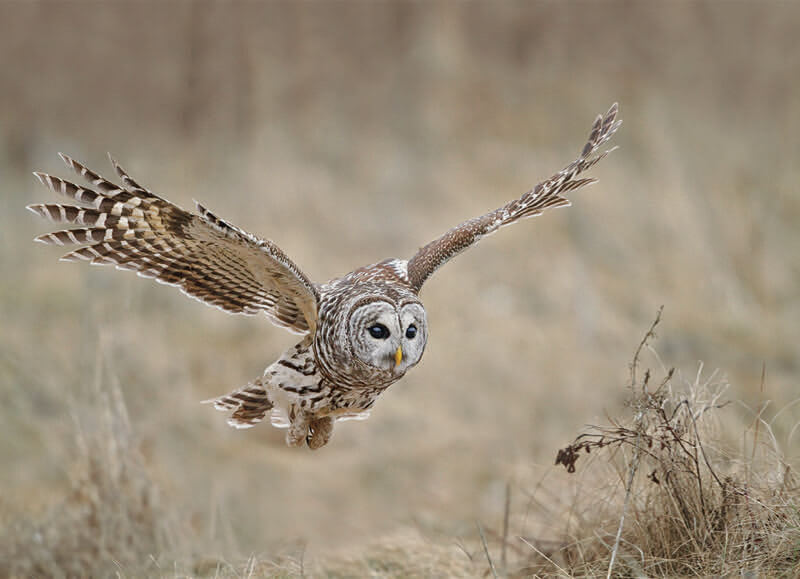
Owl
An owl can fly without making a sound.
Photo: Glenn Bartley/BIA/Minden
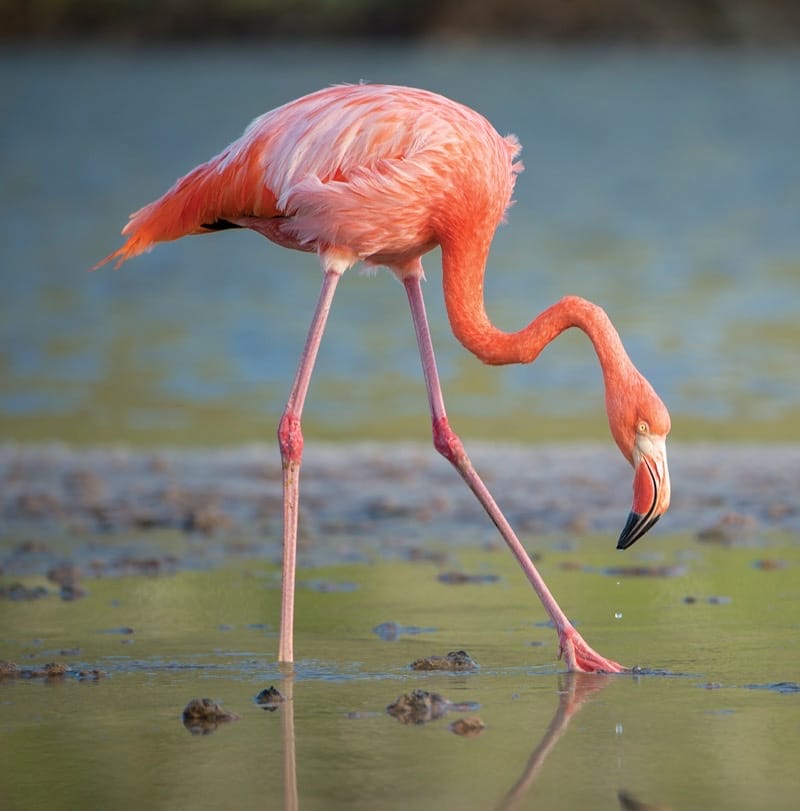
Flamingo
Flamingos get their pink color from the food they eat.
Photo: Tui de Roy/Minden Pictures
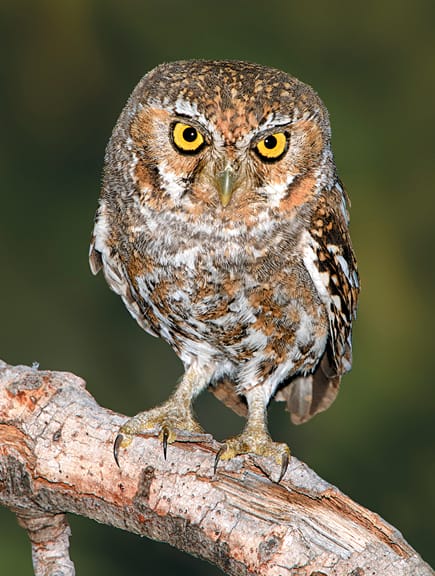
Elf Owl
The elf owl is the world's smallest owl.
Photo: ALAN MURPHY / BIA / MINDEN PICTURES
Hummingbird
A hummingbird’s eggs are smaller than jelly beans.
Photo: ROLF NUSSBAUMER / NPL / MINDEN PICTURES
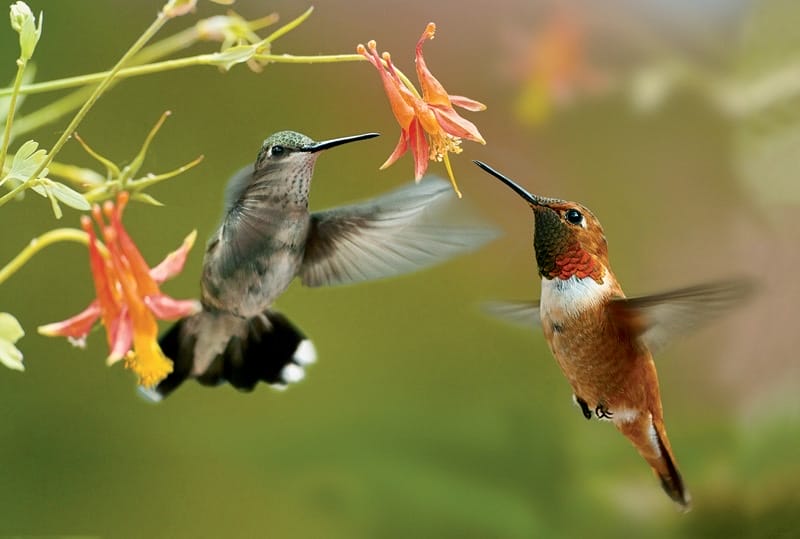
Hummingbirds
Each kind of hummingbird makes a different humming sound.
Photo: TIM FITZHARRIS / MINDEN
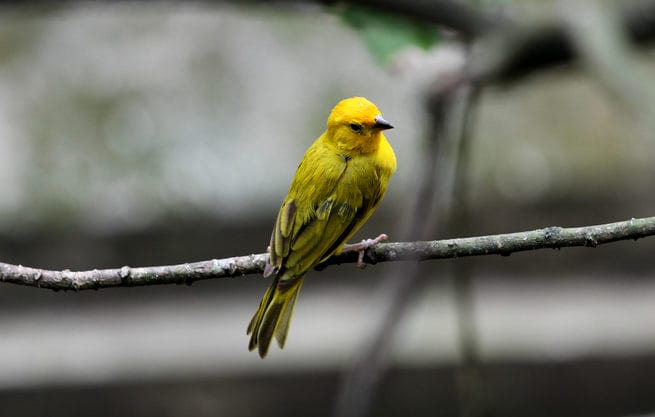
Bird Bones
Birds are light because most have bones that are hollow or partly hollow.
Photo: mickeyvdo
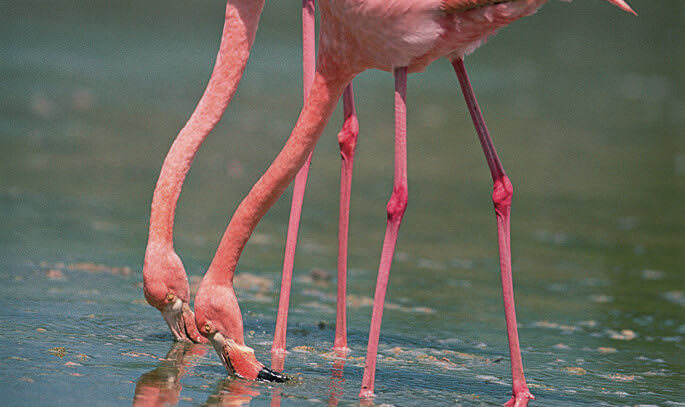
Flamingos
A flamingo holds its breath when it eats.
Photo: Tui De Roy/Minden Pictures
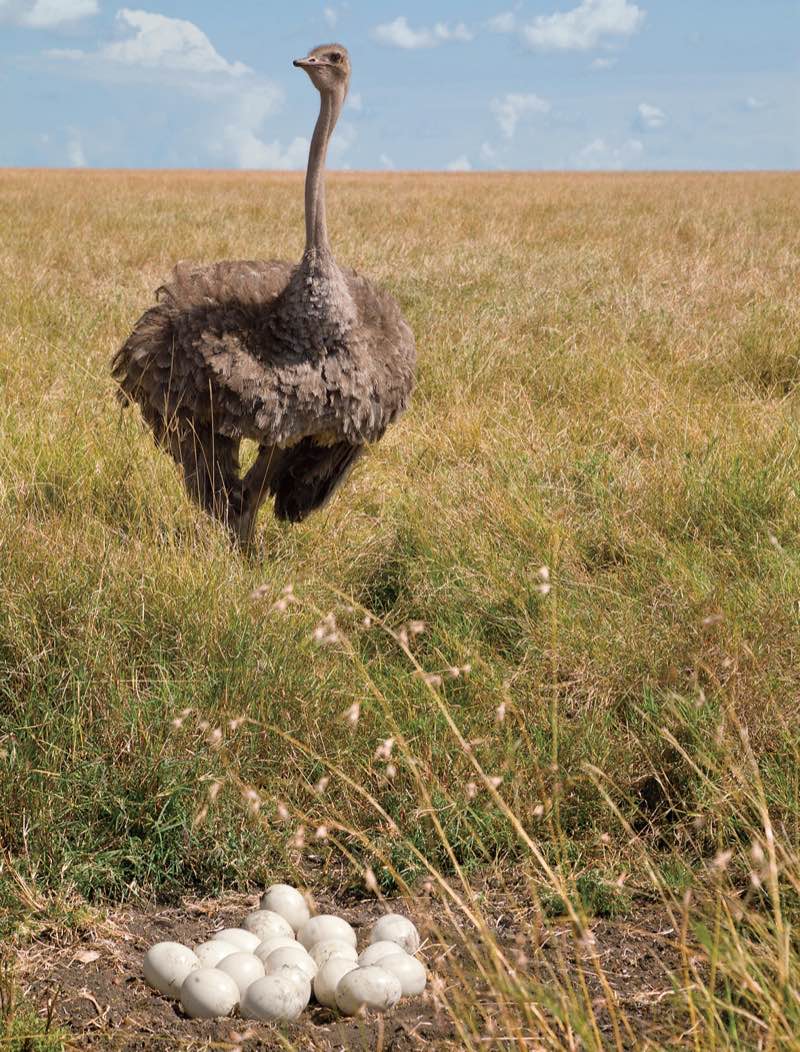
Ostrich
An ostrich lays the biggest eggs of any bird.
Photo: BERND ROHRSCHNEIDER / FLPA / MINDEN PICTURES
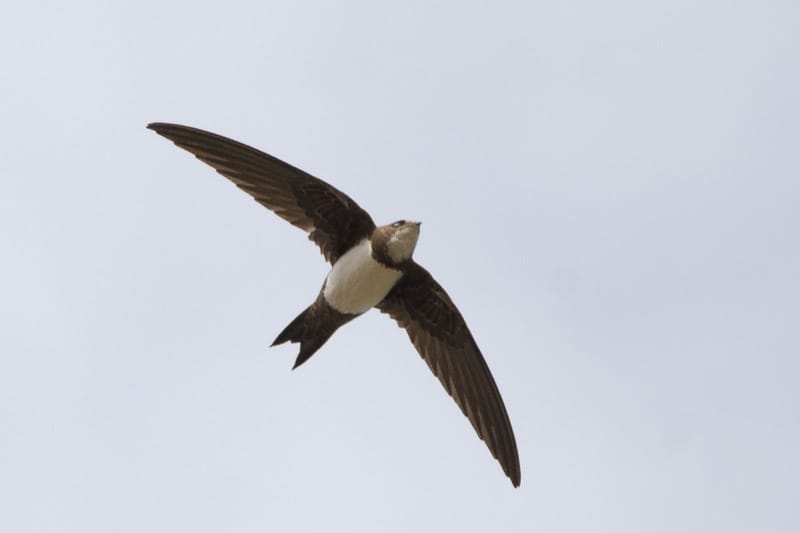
Swift
Some swifts (a kind of bird) have been clocked flying at over 100 miles per hour!
Photo: Mike Prince
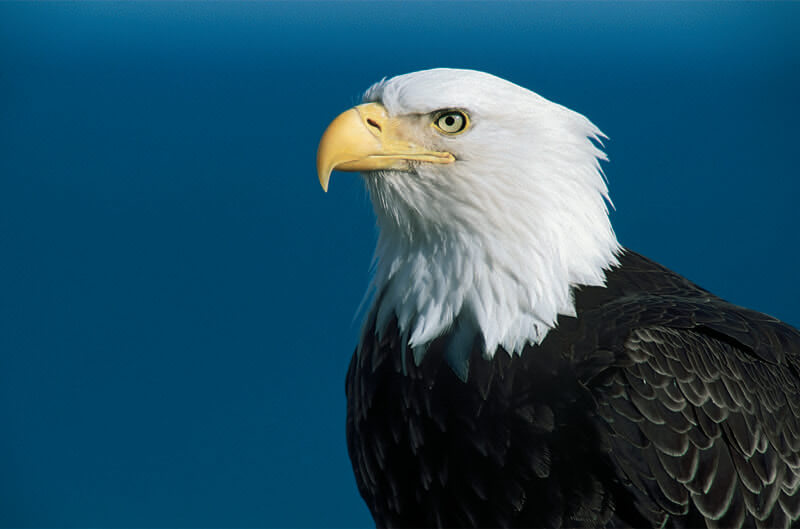
Eagle
Bald eagles aren't bald. They have white feathers on their heads.
Photo: Thomas Mangelsen/Minden
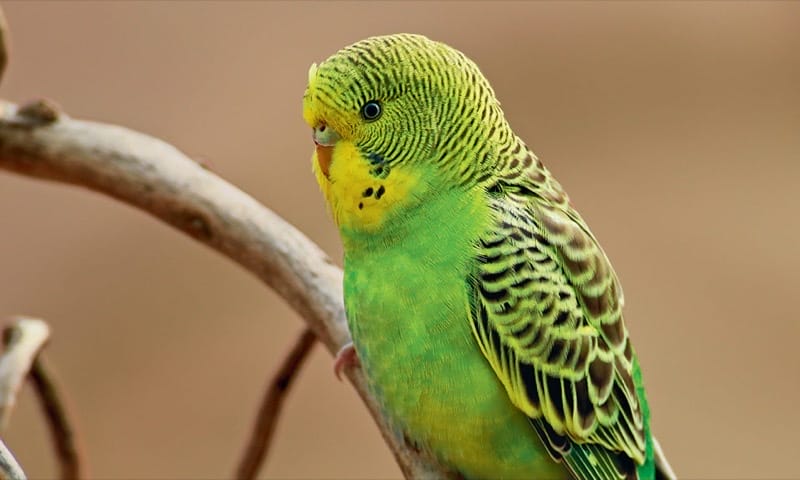
Budgie
A budgie can be trained to speak many words and phrases.
Photo: Jurgen and Christine Sohns/FLPA/MINDEN
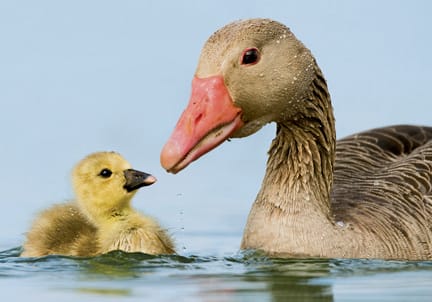
Geese
Baby geese are called goslings.
Photo: BENCE MATE / NPL /MINDEN PICTURES
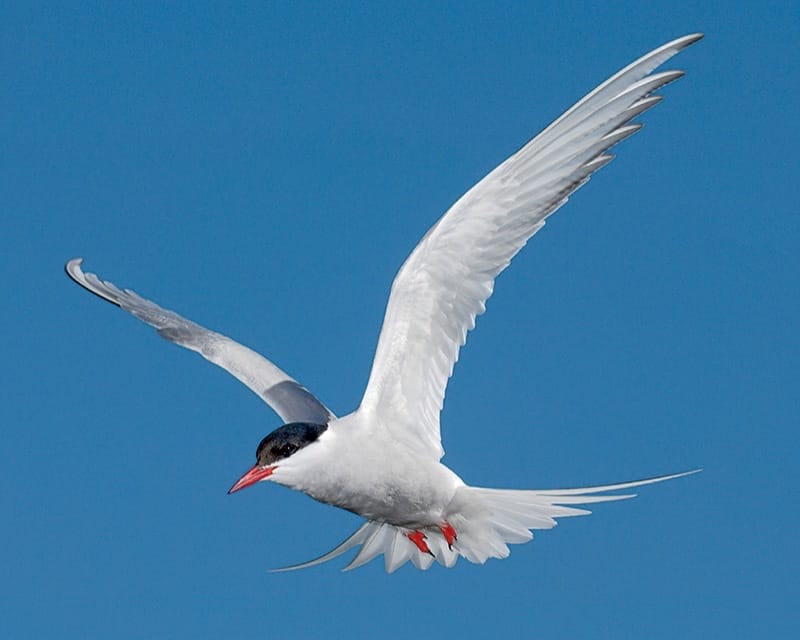
Arctic Tern
Every year, arctic terns fly from the top of the world to the bottom and back again.
Photo: BART BREET / NIS / MINDEN
Ostrich
A male ostrich can sound like a roaring lion.
Photo: BERND ROHRSCHNEIDER / FLPA / MINDEN PICTURES
Ostrich
An ostrich's eyeball is bigger than its brain.
Photo: BERND ROHRSCHNEIDER / FLPA / MINDEN PICTURES
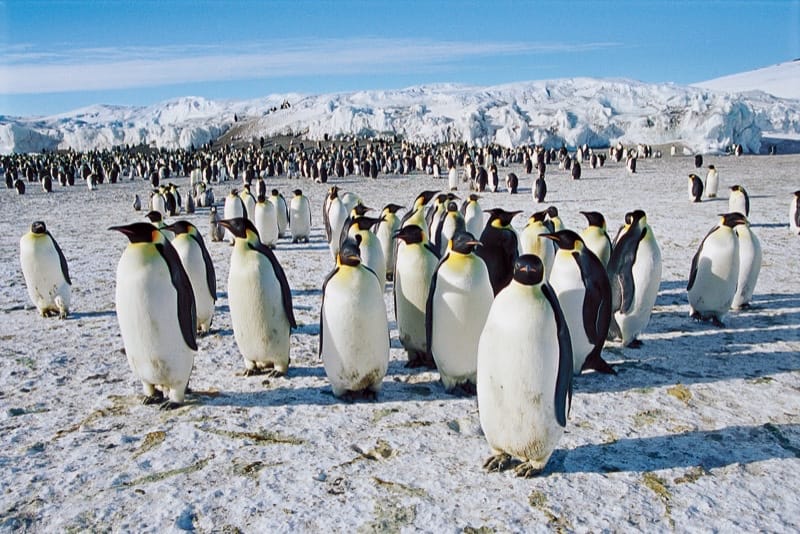
Penguins
Penguins live in large groups called colonies.
Photo: Norbert Wu/Minden
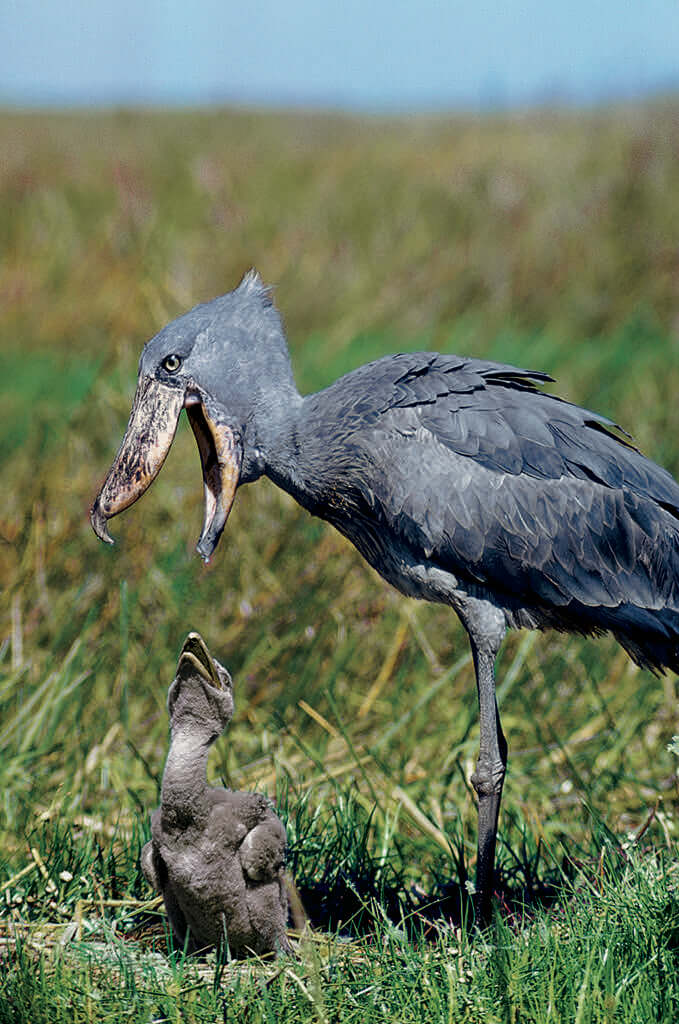
Shoebill
Shoebill chicks hiccup when they are hungry.
Photo: Cindy Buxton/Naturepl.com/Minden Pictures
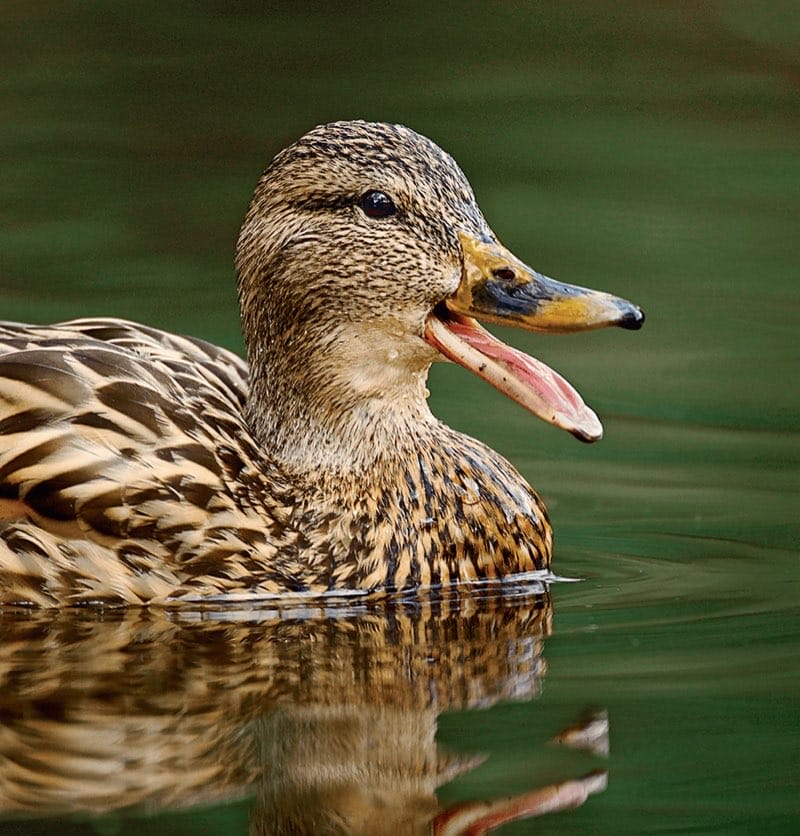
Mallard
Only female mallard ducks quack.
Photo: Andrew Parkinson/FLPA/Minden
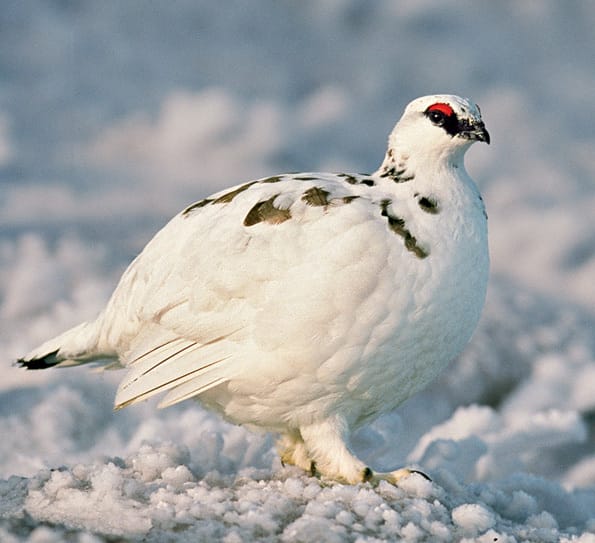
Ptarmigan
A ptarmigan's (TAR-muh-gunz) brown feathers turn white in the winter.
Photo: David Kjaer/NPL/Minden
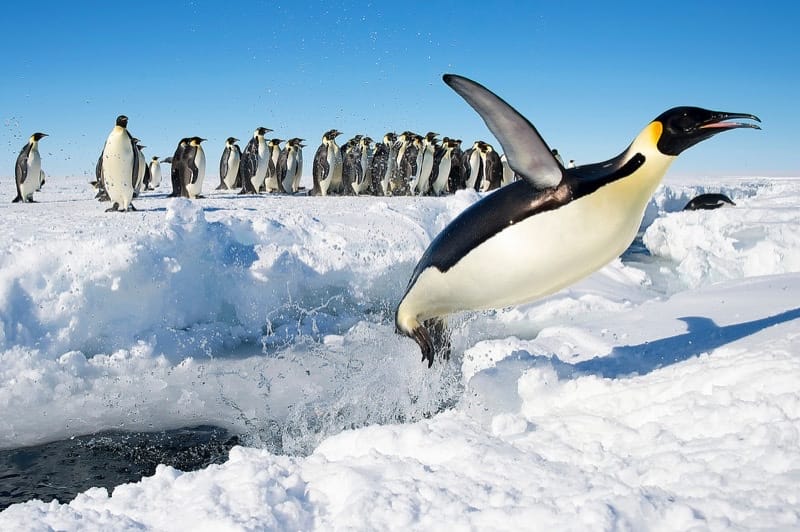
Penguin
Penguins can't fly in the air, but can use their wings as flippers to "fly" through the water.
Photo: Christopher.Michel
Eagle
The bald eagle is the national symbol of the United States. But Benjamin Franklin thought it should be the wild turkey!
Photo: Thomas Mangelsen/Minden
Ostrich
An ostrich can run faster than a horse.
Photo: BERND ROHRSCHNEIDER / FLPA / MINDEN PICTURES
Crustaceans
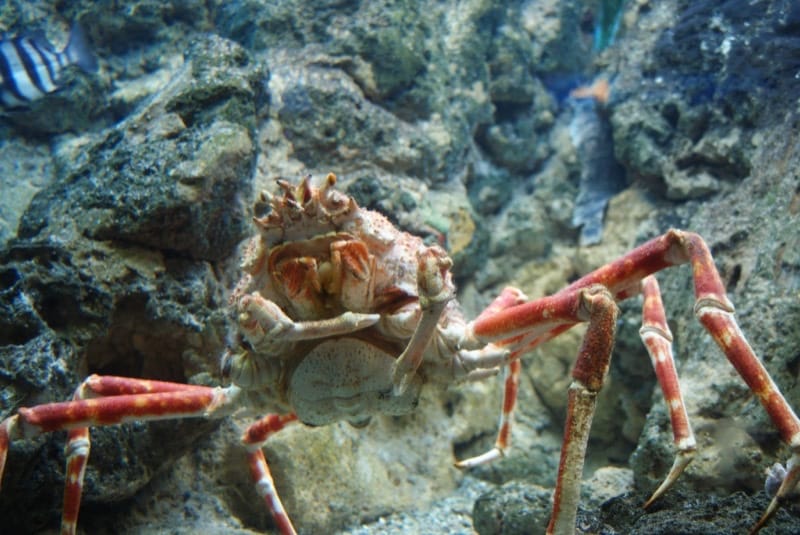
Crabs
The largest crab in the world is the Japanese spider crab. From one outstretched claw across to the other, it can reach 12 feet!
Photo: Dallas Krentzel

Fiddler Crab
A male fiddler crab has one big claw and one tiny claw.
Photo: Martin Woike/NIS/Minden
Fiddler Crab
If a fiddler crab loses a claw, it will grow a new one.
Photo: Martin Woike/NIS/Minden
Fish
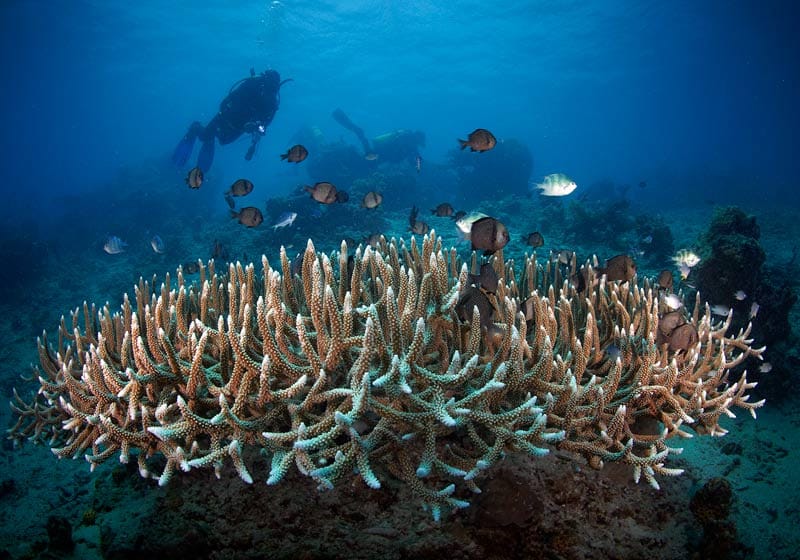
Coral
Tiny coral animals make reefs that are hundreds of miles long!
Photo: USAID Indonesia
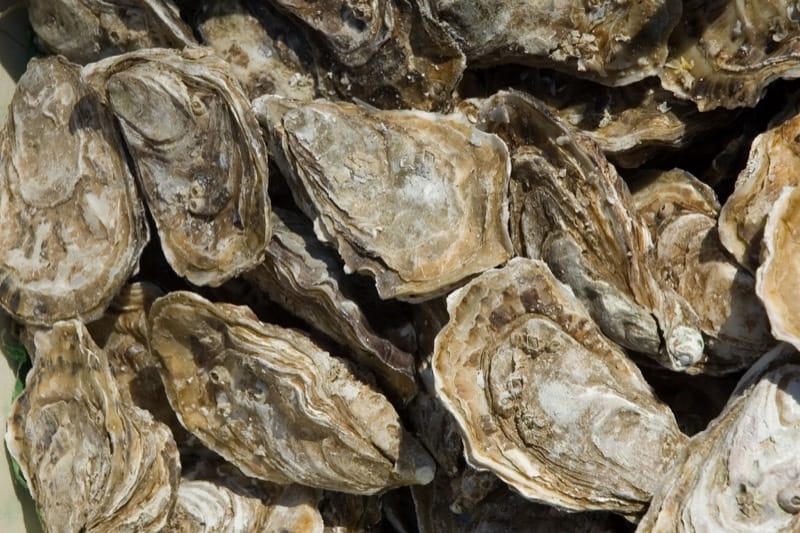
Oyster
Most oysters start out as males, then change to females. But if it turns out there are too many females in a group of oysters, then some change back to males!
Photo: Paul and Jill
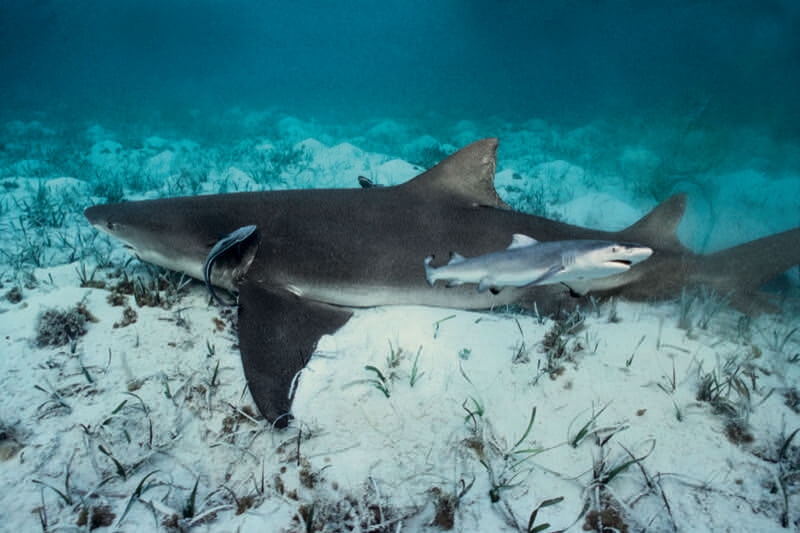
Shark
A baby shark is called a pup.
Photo: Doug Perrine/NPL/Minden
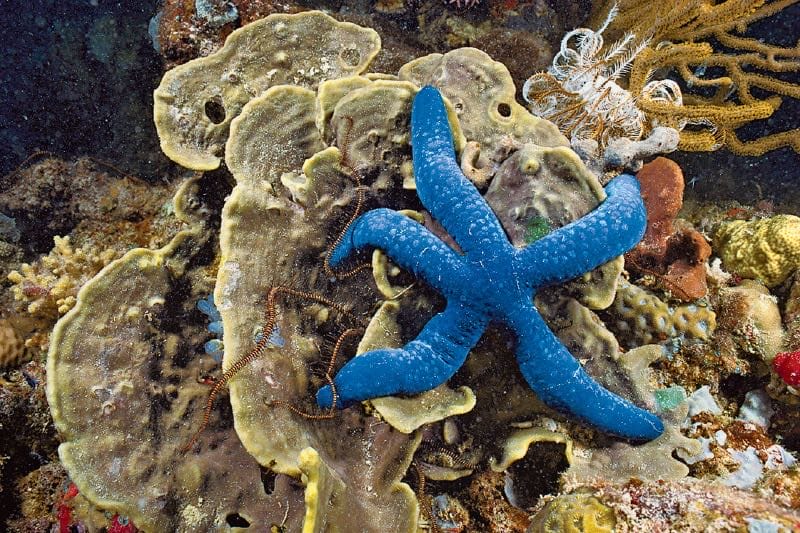
Sea star
A sea star's eyes are at the ends of its arms.
Photo: Fred Bavendam/Minden
Shark
Many sharks need to keep moving in order to breathe.
Photo: Doug Perrine/NPL/Minden
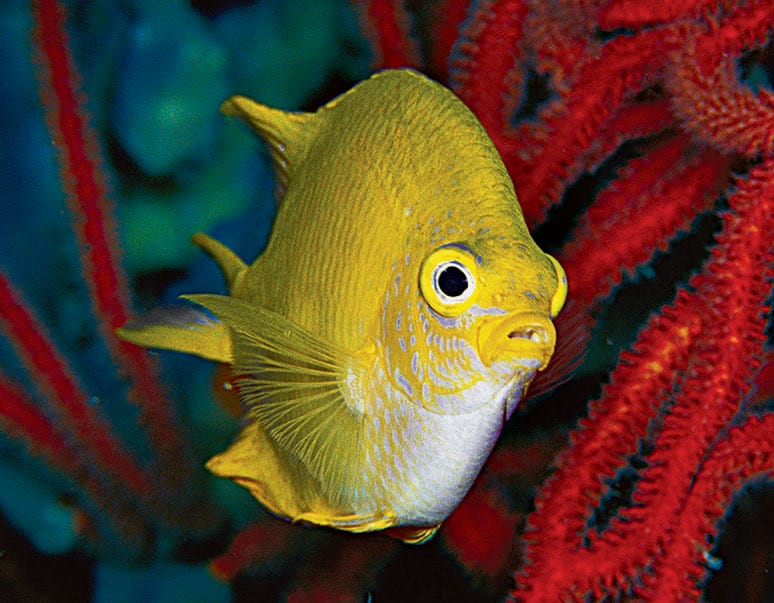
Fish
Fish don't have eyelids.
Photo: Chris Newbert/Minden Pictures
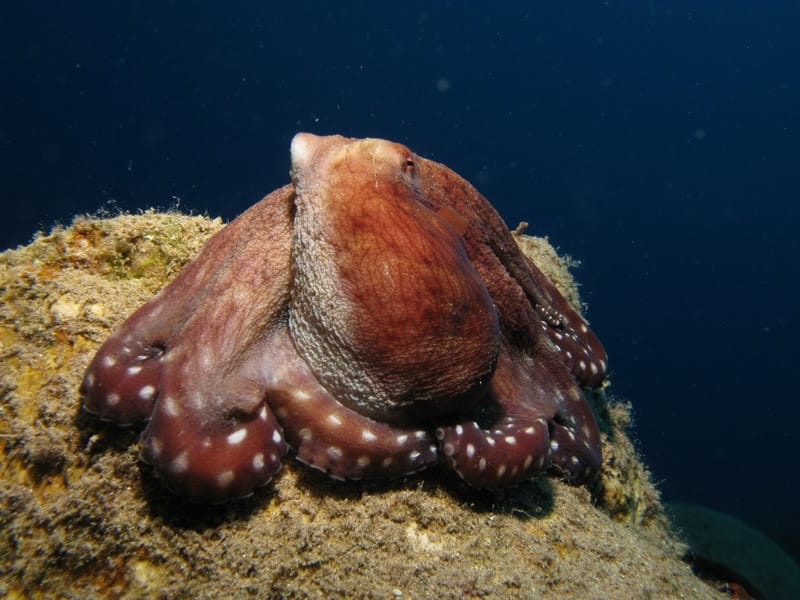
Octopus
An octopus has no bones in its body.
Photo: prilfish
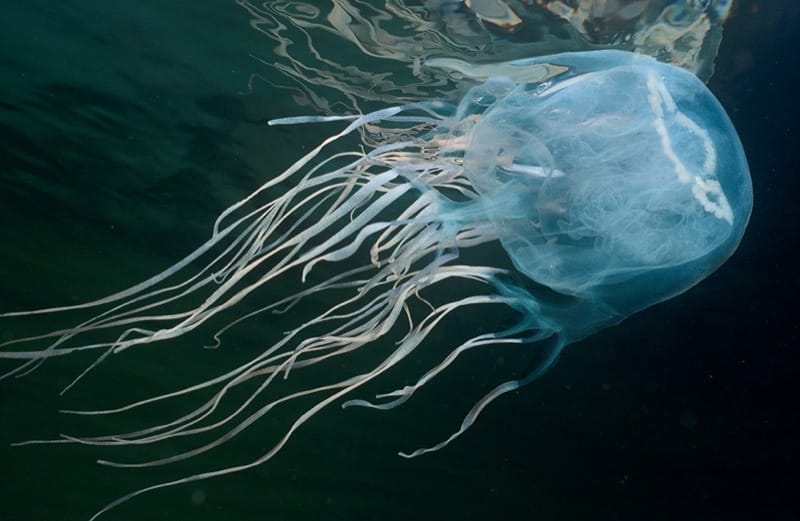
Jellyfish
Jellyfish are made mostly of water.
Photo: Dr. David Wachenfeld/Auscape/Minden
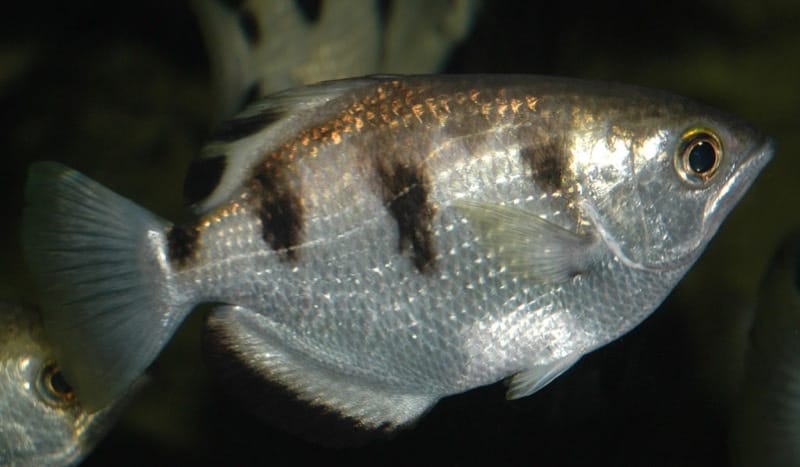
Archerfish
An archerfish can spit a jet of water to knock an insect off a branch that's up to 4 feet away. When the insect falls into the water below, the archerfish gobbles it up.
Photo: James St. John
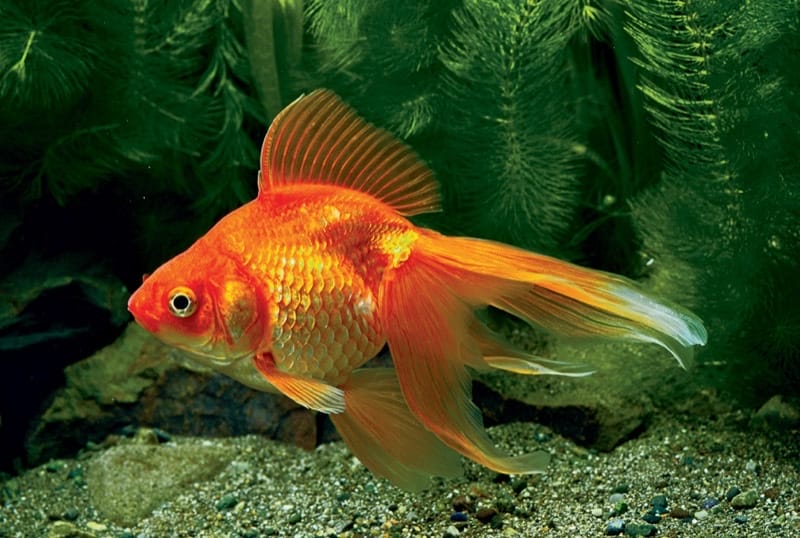
Goldfish
A goldfish can live for 40 years.
Photo: RYU Uchiyama/NatureProductions/Minden
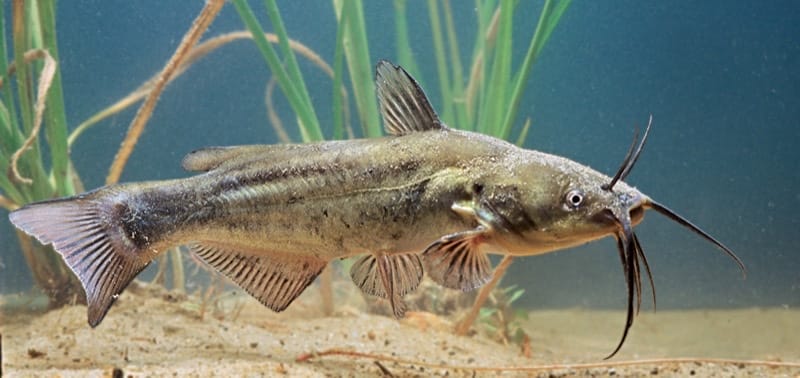
Catfish
A catfish has taste buds all over its body, not just in its mouth.
Photo: Francois Merlet/FLPA/Minden
Shark
A shark can grow 30,000 teeth in its lifetime.
Photo: Doug Perrine/NPL/Minden
Sea star
Sea stars do not have brains.
Photo: Fred Bavendam/Minden
Shark
A shark does not chew its food.
Photo: Doug Perrine/NPL/Minden
Insects
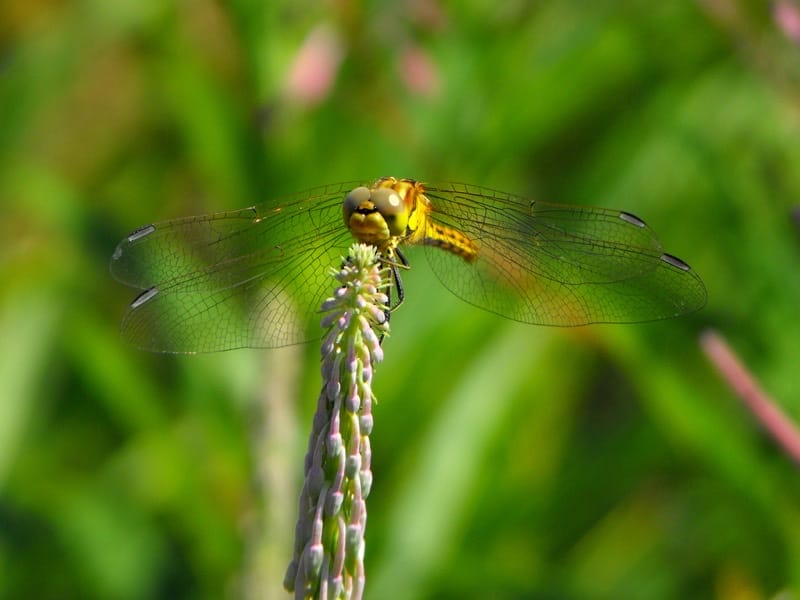
Dragonfly
A dragonfly's wings are almost see-through.
Photo: blumblaum
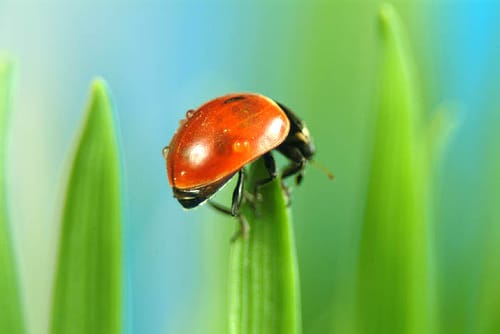
Ladybug
Not all ladybugs have spots. And not all ladybugs are ladies!
Photo: nizzzat
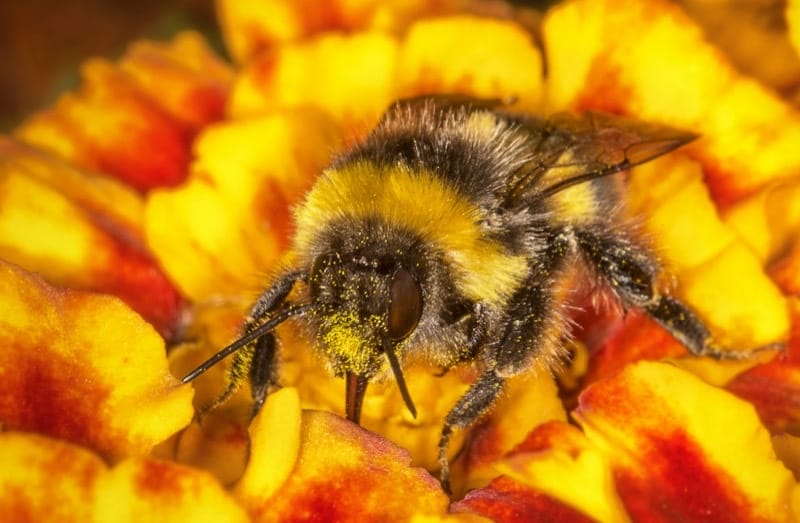
Bumblebee
Hairs on a bumblebee's antenna pick up the smells of flowers.
Photo: TrotterFechan
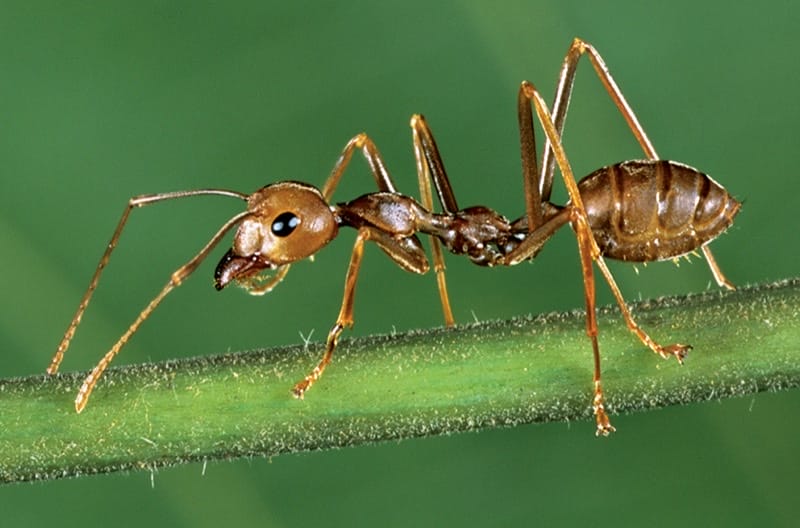
Ant
An ant takes about 250 short naps each day.
Photo: HUGUES DE CHERISEY / BIOSPHOTO / MINDEN
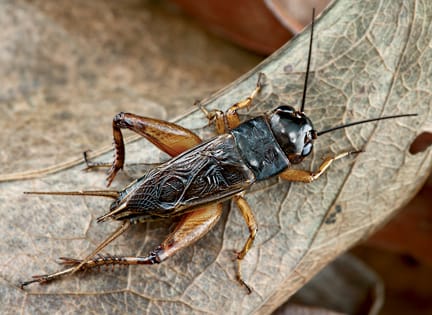
Cricket
Only male crickets chirp.
Photo: PIOTR NASKRECKI / MINDEN
Cricket
A cricket's ears are on its front legs.
Photo: PIOTR NASKRECKI / MINDEN
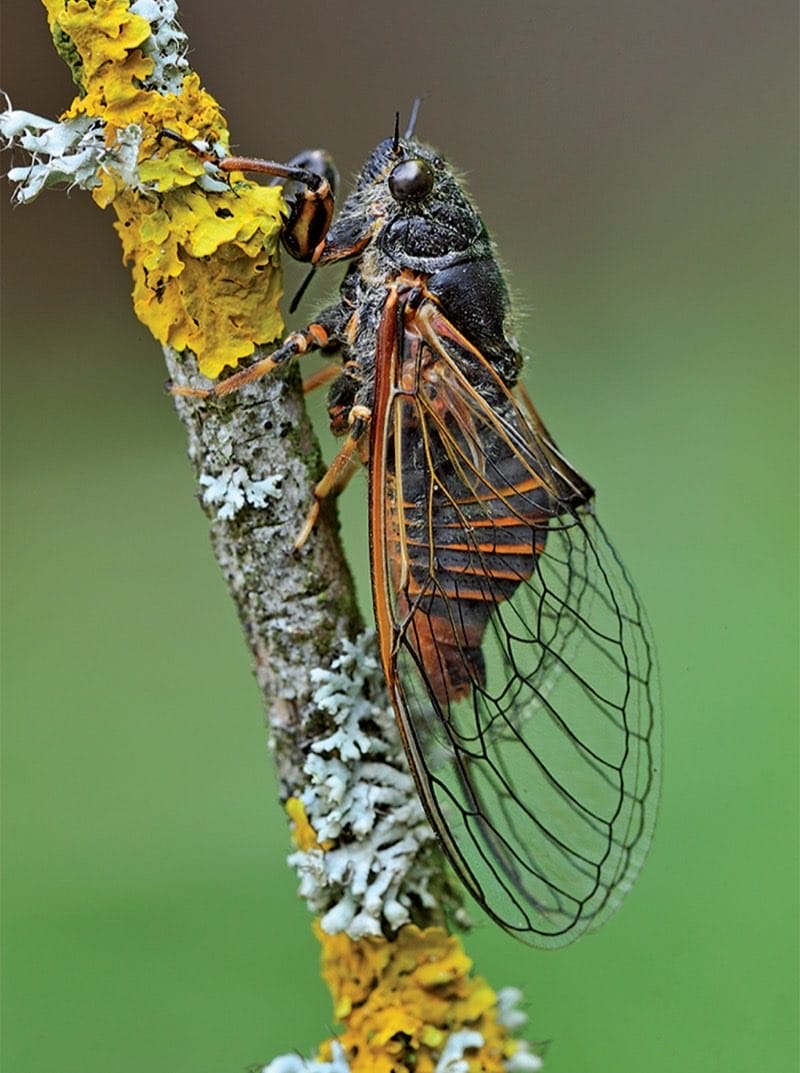
Cicada
Only male cicadas sing.
Photo: THOMAS MARENT / MINDEN
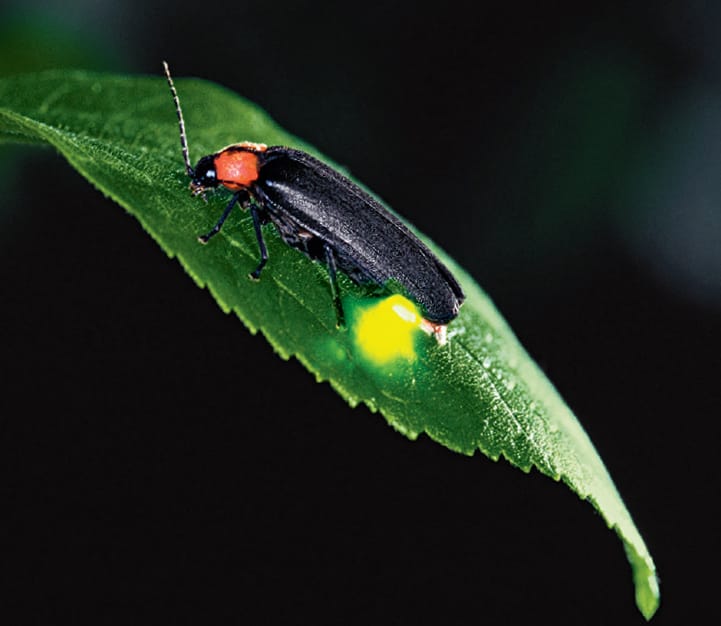
Firefly
A firefly is not a fly. It is a kind of beetle.
Photo: Atsuo Fujimaru / Nature Production / Minden
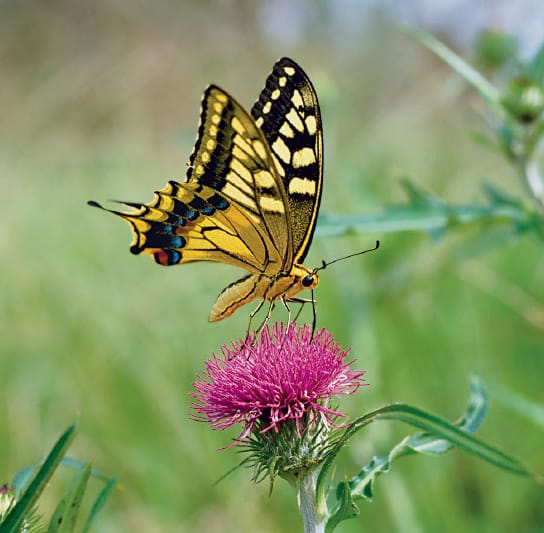
Butterfly
A butterfly tastes with hairs on the bottoms of its feet.
Photo: Katsuomi MaTtsumoto/Minden
Butterfly
A butterfly drinks through its proboscis (pro-BAH-sis), a long, straw-like tube.
Photo: Katsuomi MaTtsumoto/Minden
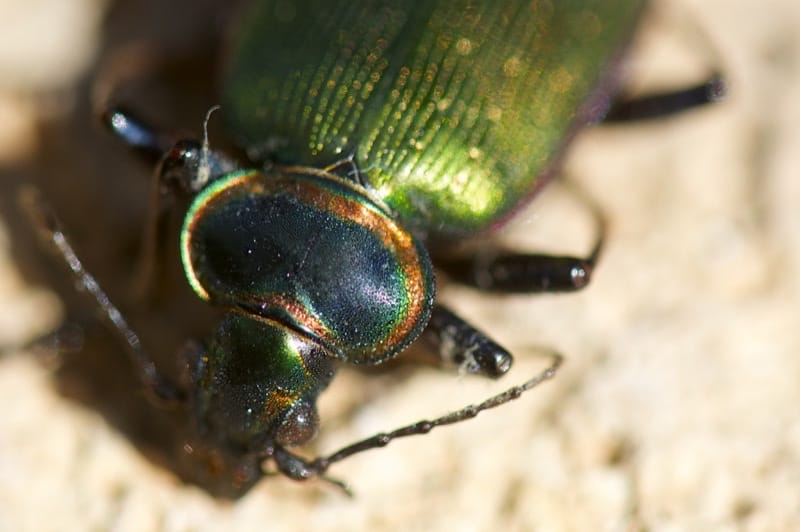
Beetle
More beetles live on Earth than any other creature.
Photo: Steve Snodgrass
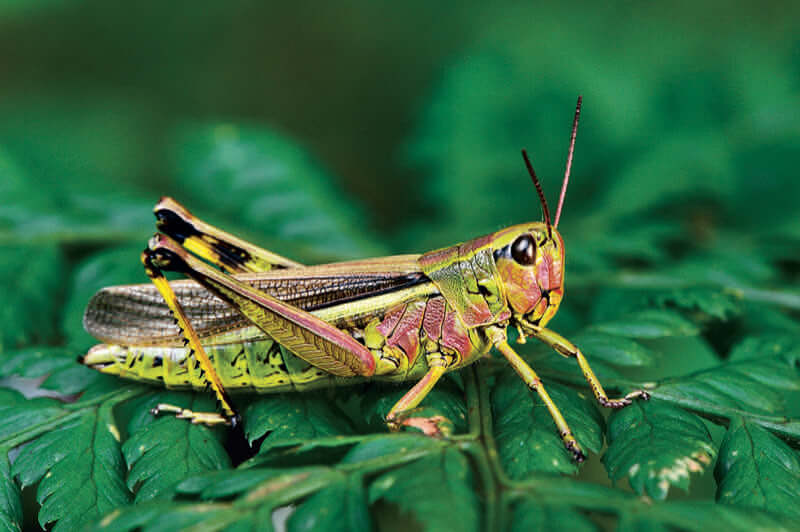
Grasshopper
A grasshopper's blood is green.
Photo: Thomas Marent/Minden
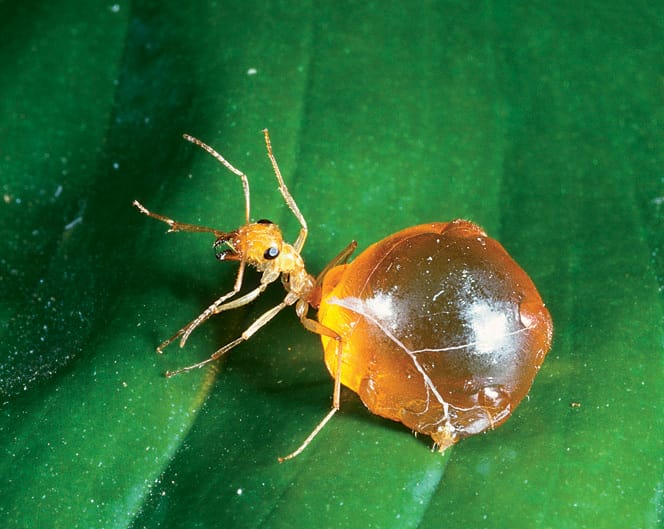
Honeypot Ant
A honeypot ant eats so much that its stomach blows up like a balloon.
Photo: Zssd/Minden Pictures
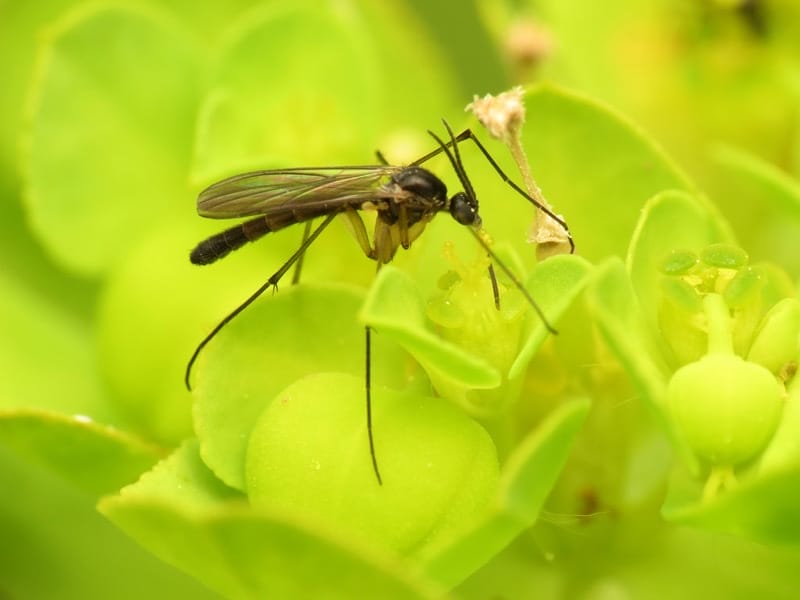
Midge
A midge is a tiny fly that flaps its wings 1,046 beats a second.
Photo: treegrow
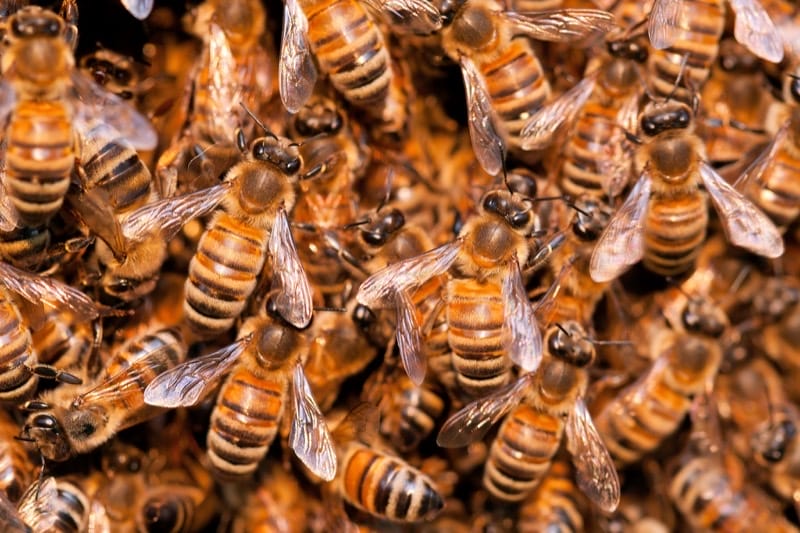
Insect
Scientists think the number of insects alive in the world at any one time is 10 quintillion (10,000,000,000,000,000,000).
Photo: kaibara87
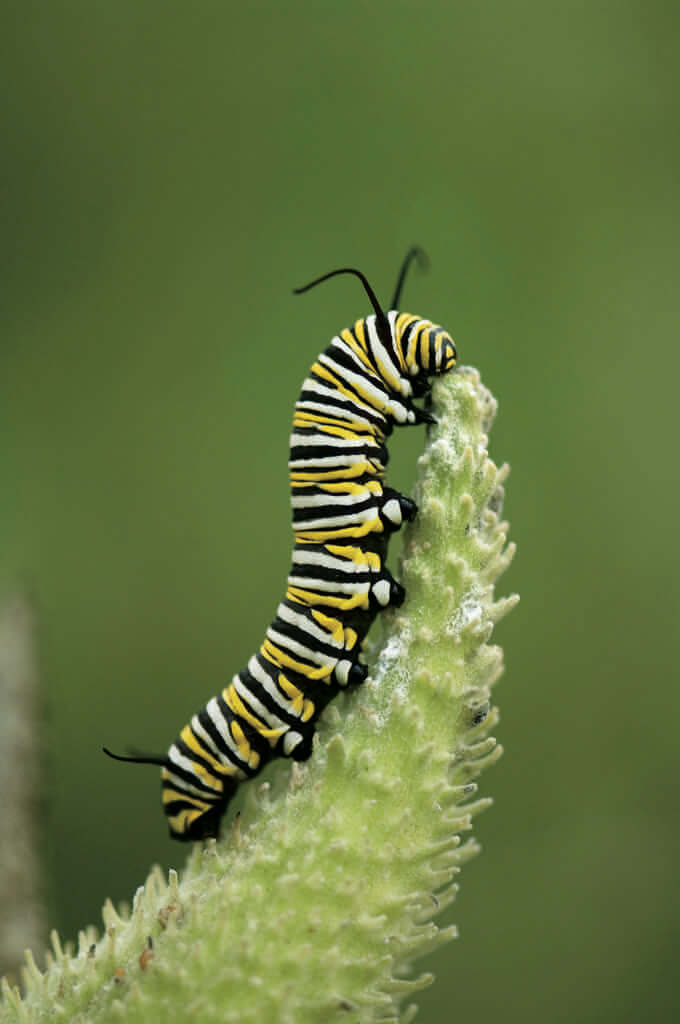
Caterpillar
A caterpillar has 4,000 muscles.
Photo: Joel Sartore/NGCreative/Minden
Dragonfly
Dragonflies can see in all directions at the same time.
Photo: blumblaum
Mammals
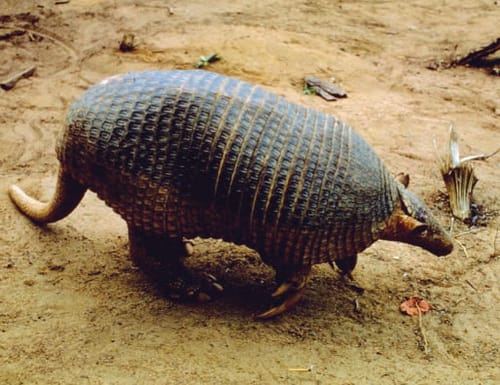
Giant Armadillo
Giant armadillos have 80 to 100 teeth - more than any other mammal.
Photo: amareta kelly
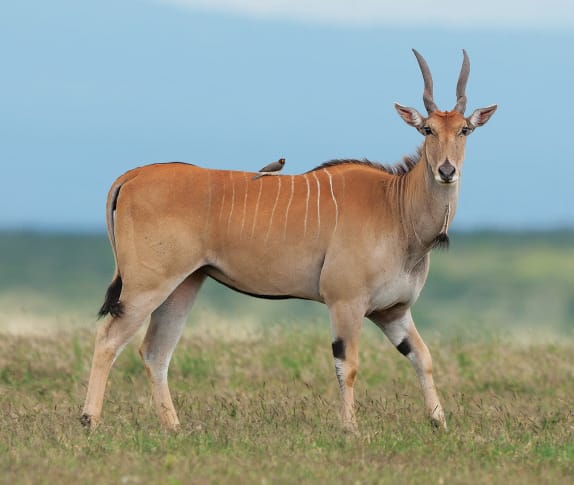
Eland
Antelopes come in all sizes. The eland is the largest.
Photo: Tui de Roy/Minden Pictures
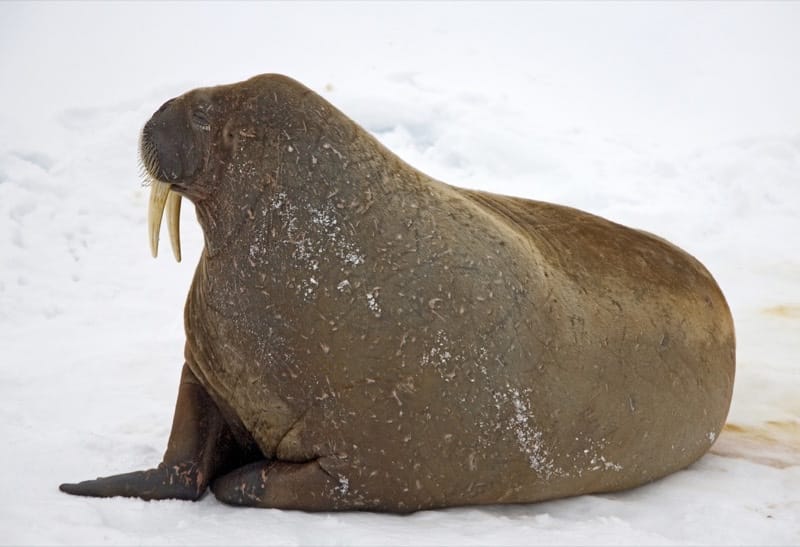
Walrus
A walrus has a layer of blubber (fat) up to 6 inches thick. It's like a built-in blanket to keep the walrus warm.
Photo: NOAA Photo Library
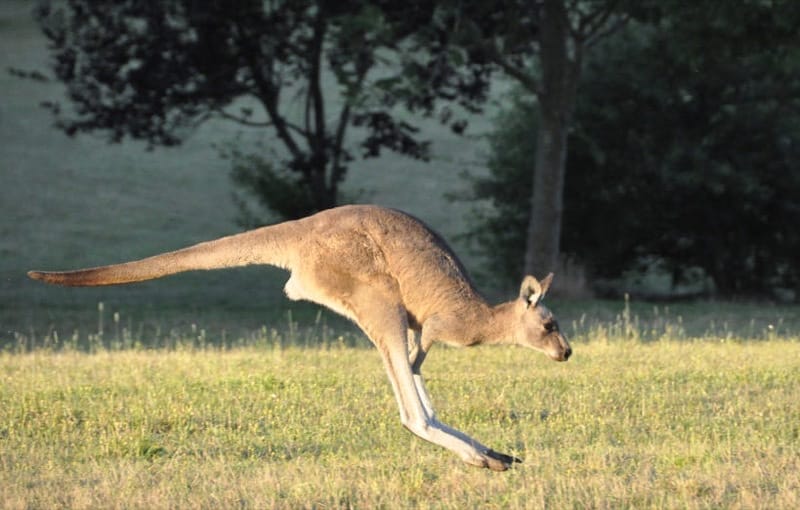
Kangaroo
A kangaroo can't hop backwards.
Photo: Chris Samuel
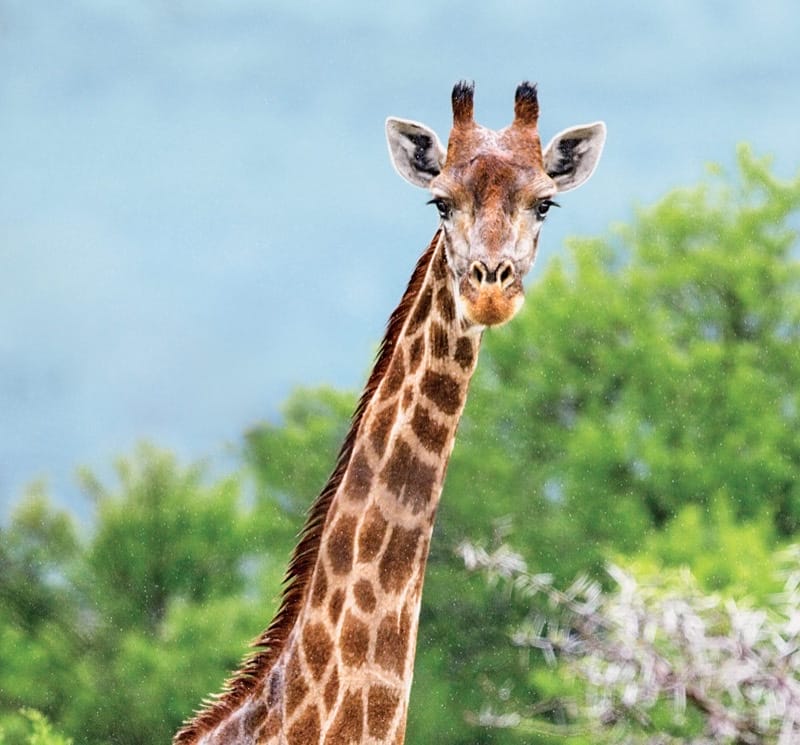
Giraffe
A giraffe's feet are as big as dinner plates.
Photo: Dietmar Nill/Minden
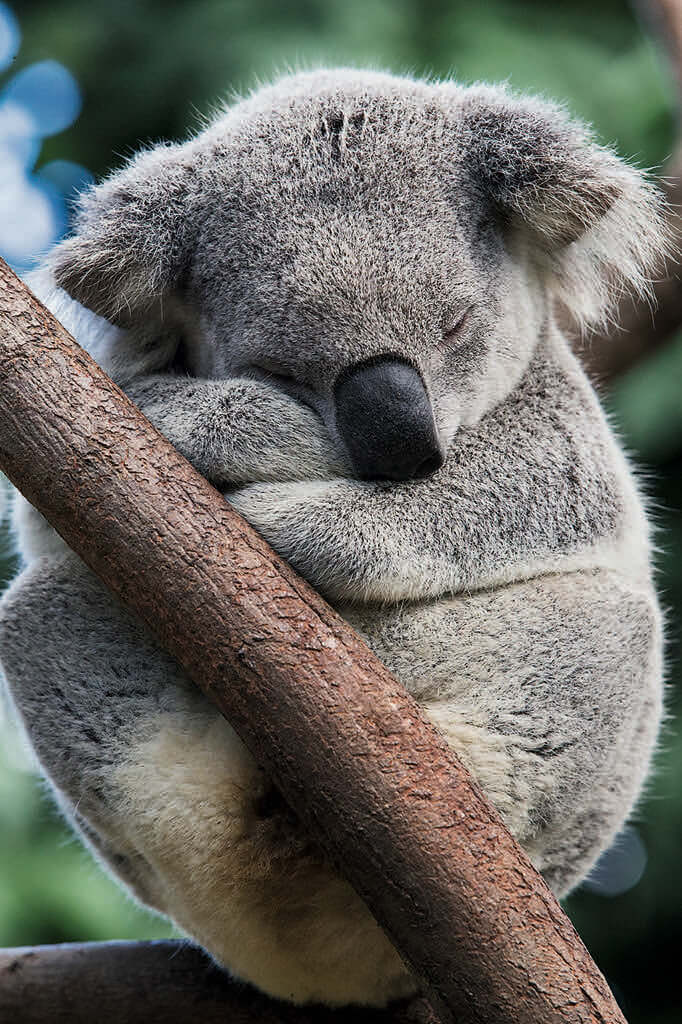
Koala
Koalas sleep most of the day.
Photo: Suzi Eszterhas/Minden Pictures
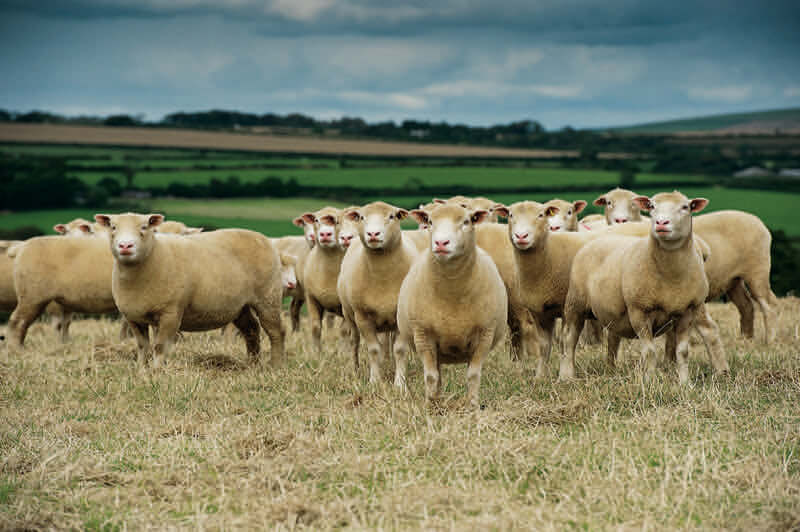
Sheep
A group of sheep is called a flock.
Photo: Wayne Hutchinson/FLPA/Minden
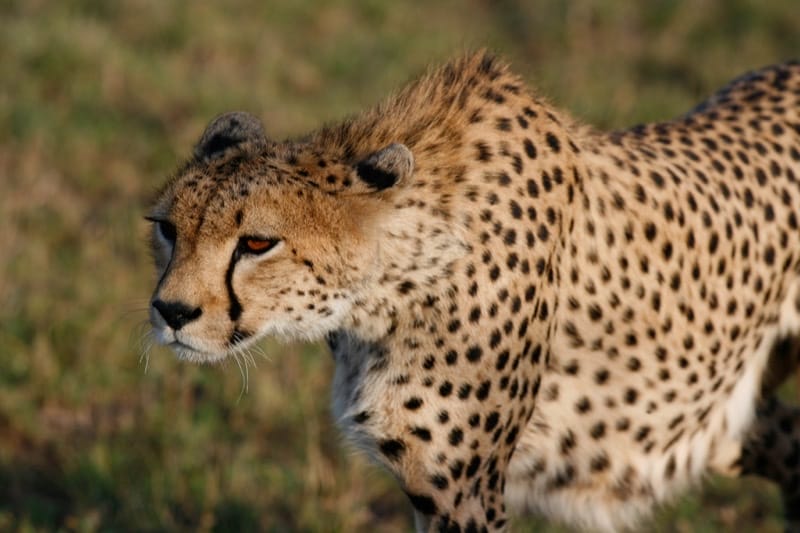
Cheetah
A cheetah cannot roar.
Photo: tenorserrano
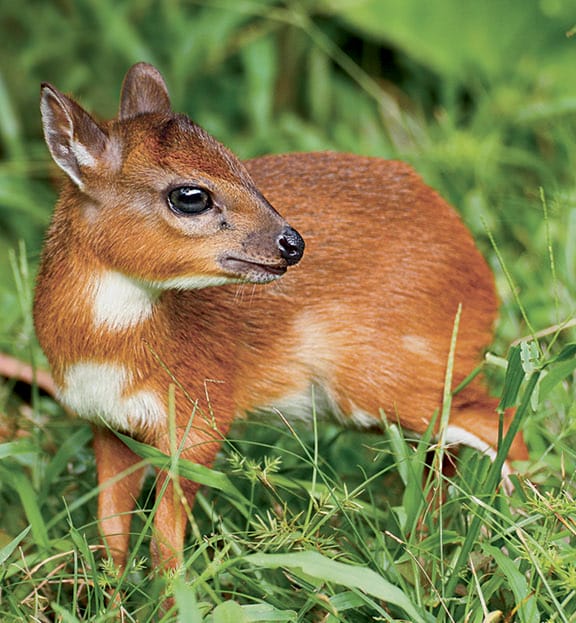
Royal Antelope
A royal antelope is the size of a rabbit.
Photo: HARRY KOUWEN / MINDEN PICTURES
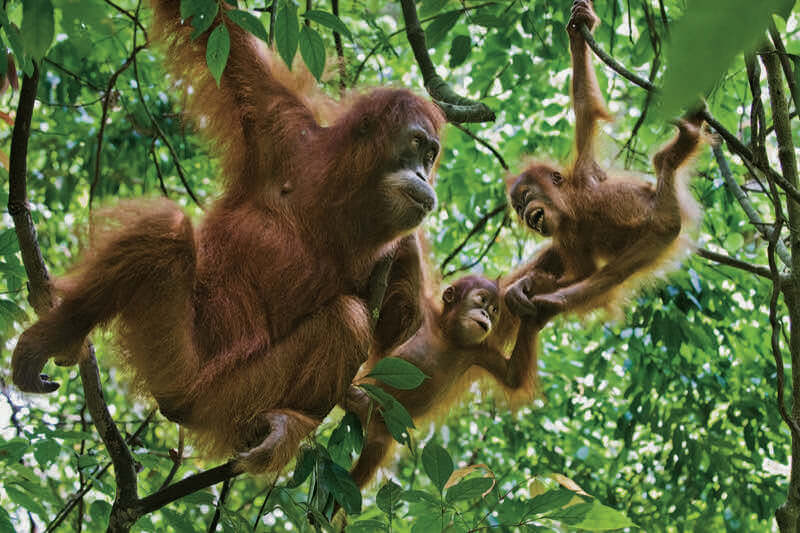
Orangutan
Orangutans are ticklish.
Photo: Suzi Eszterhas/Minden
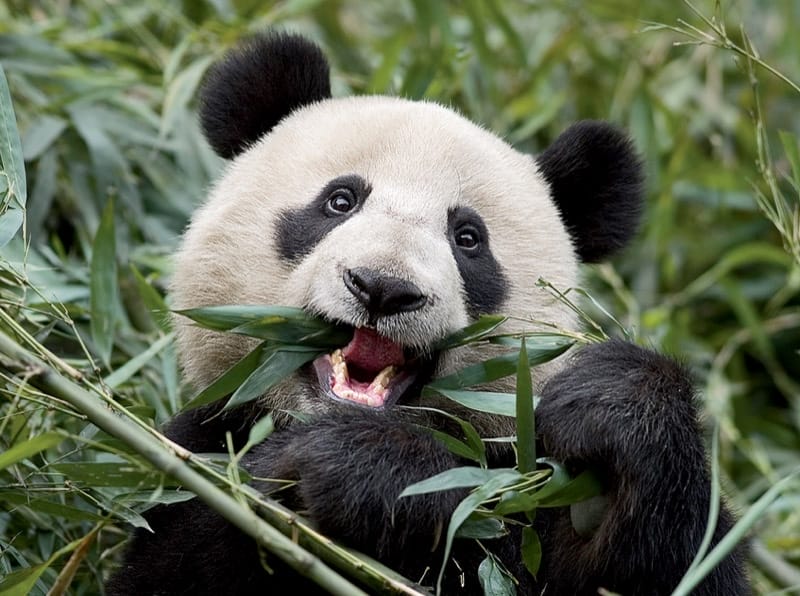
Panda
Pandas eat almost nothing but bamboo.
Photo: MITSUAKI IWAGO / MINDEN
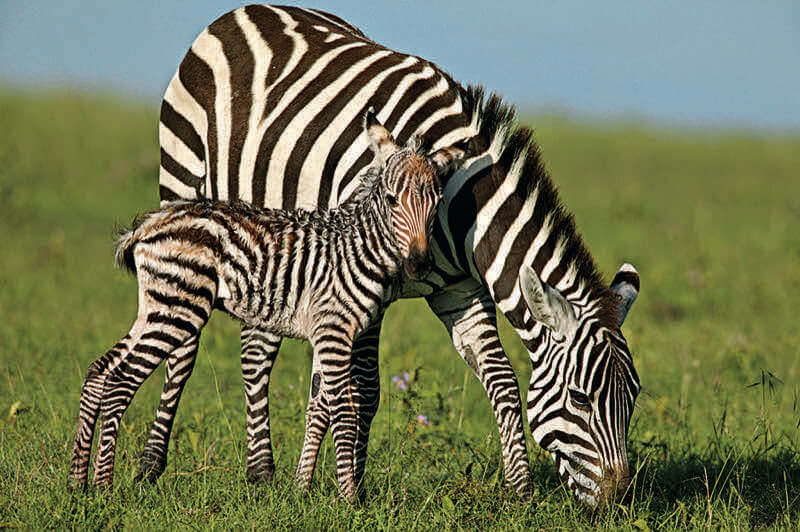
Zebras
A baby zebra can stand 20 minutes after it is born.
Photo: Andy Rouse/NPL/Minden
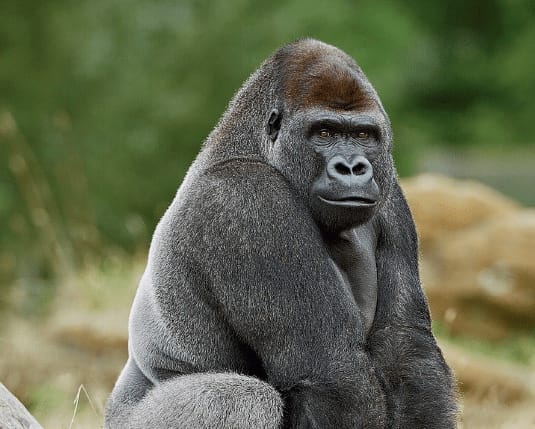
Gorilla
An adult male gorilla is called a silverback.
Photo: Ross Elliott
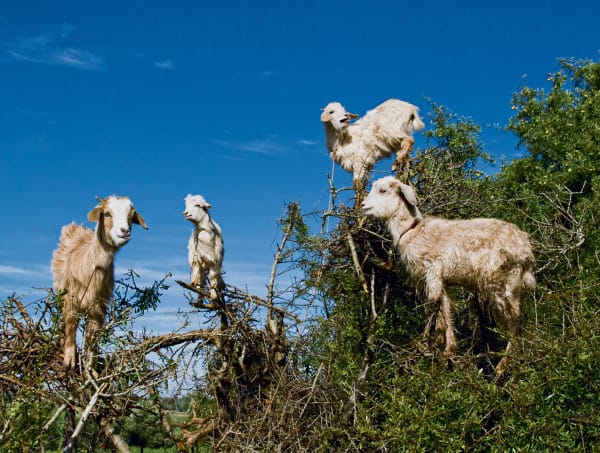
Goats
Some goats can climb trees.
Photo: Ignacio Yufera/FLPA/Minden
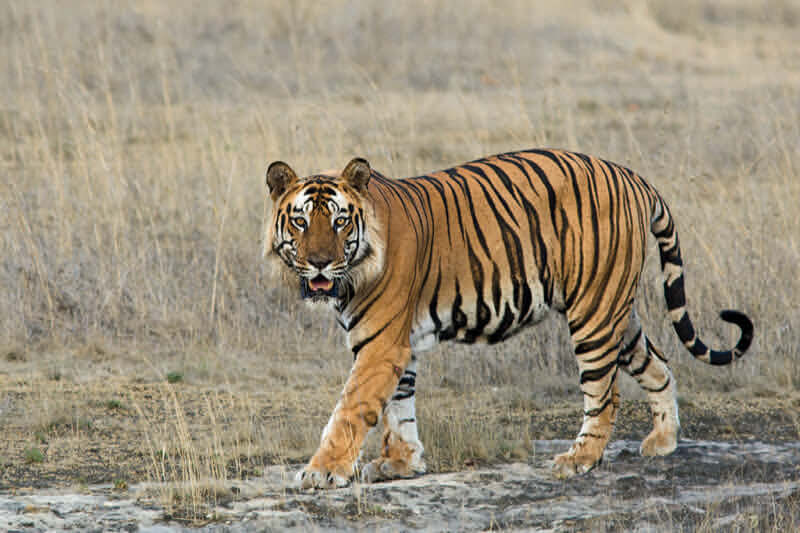
Tiger
A tiger's tongue is as rough as sandpaper.
Photo: Suzi Eszterhas/Minden
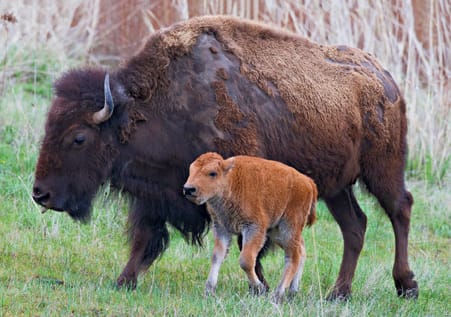
Bison
Bison calves are sometimes called red dogs.
Photo: DONALD M. JONES / MINDEN PICTURES
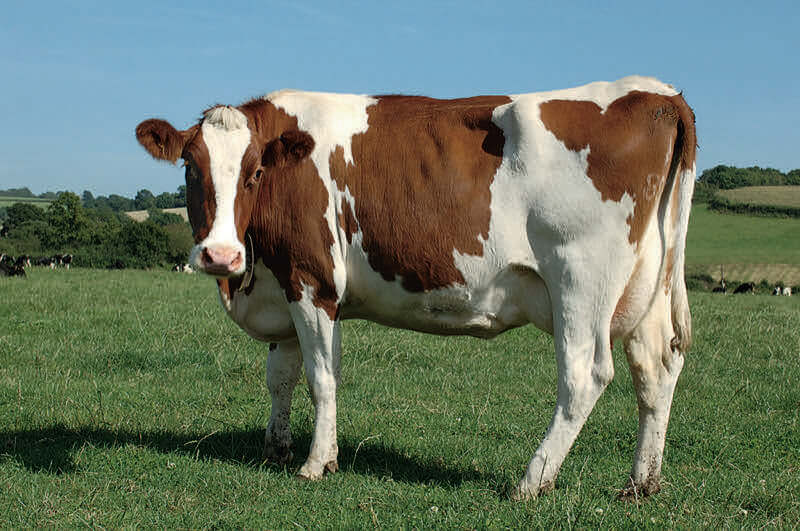
Cow
No two cows have the same pattern of spots.
Photo: Nigel Cattlin/FLPA/Minden
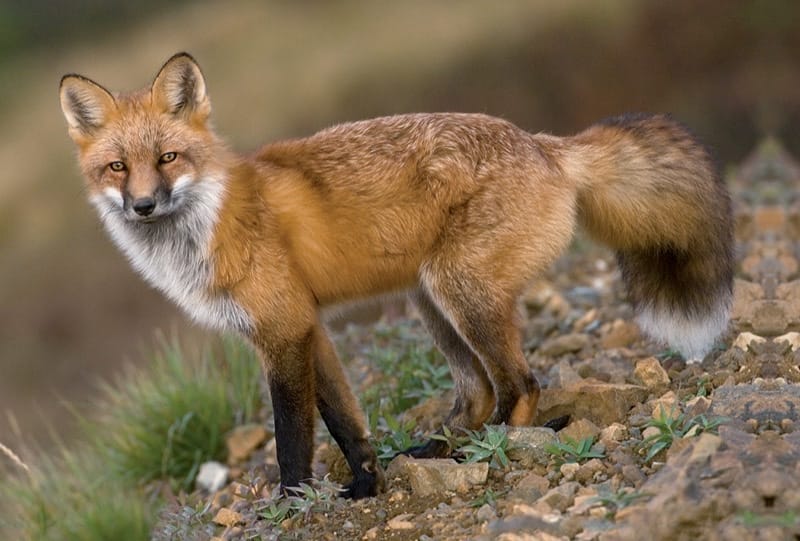
Fox
Foxes have whiskers on their legs as well as on their snouts.
Photo: MICHAEL QUINTON / MINDEN PICTURES
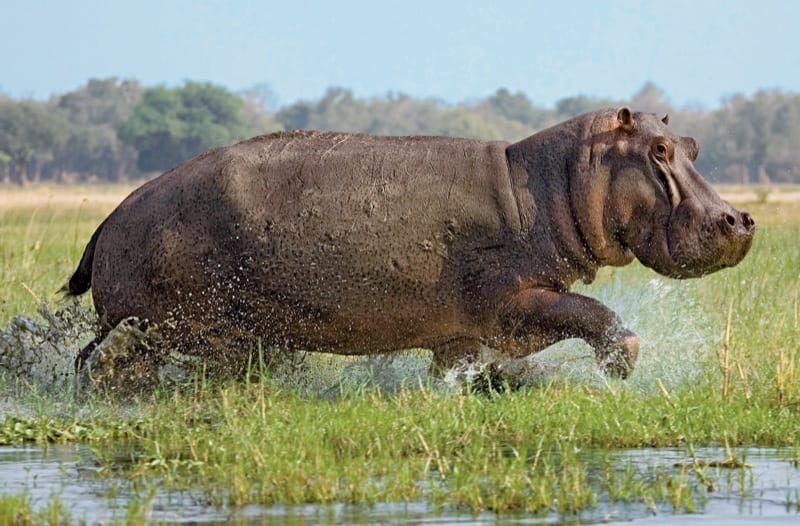
Hippo
A hippo's tusks can be more than a foot long.
Photo: THOMAS DRESSLER / ARDEA
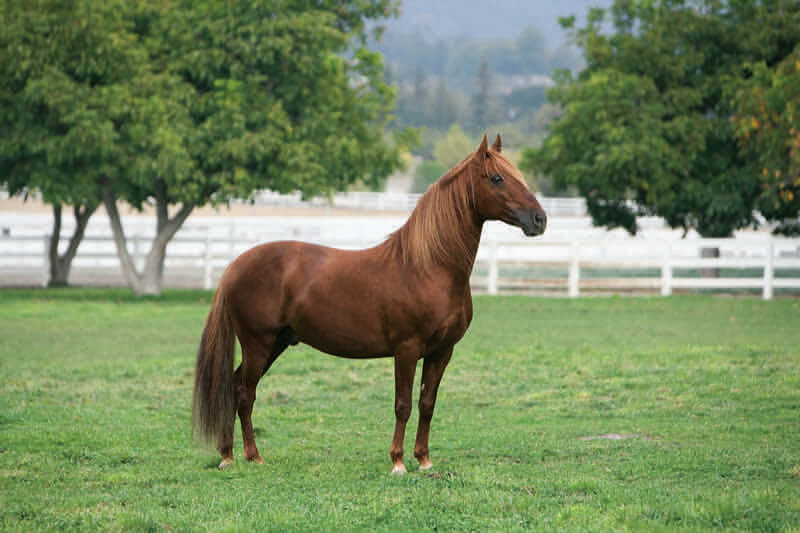
Horse
Horses often sleep standing up.
Photo: Carol Walker/Naturepl.com/Minden
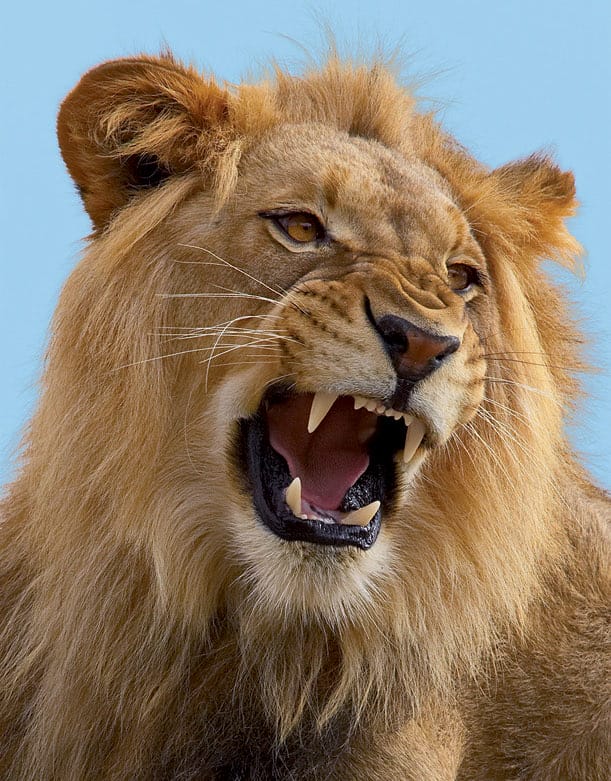
Lion
Female lions do most of the hunting.
Photo: ZDDS/Minden
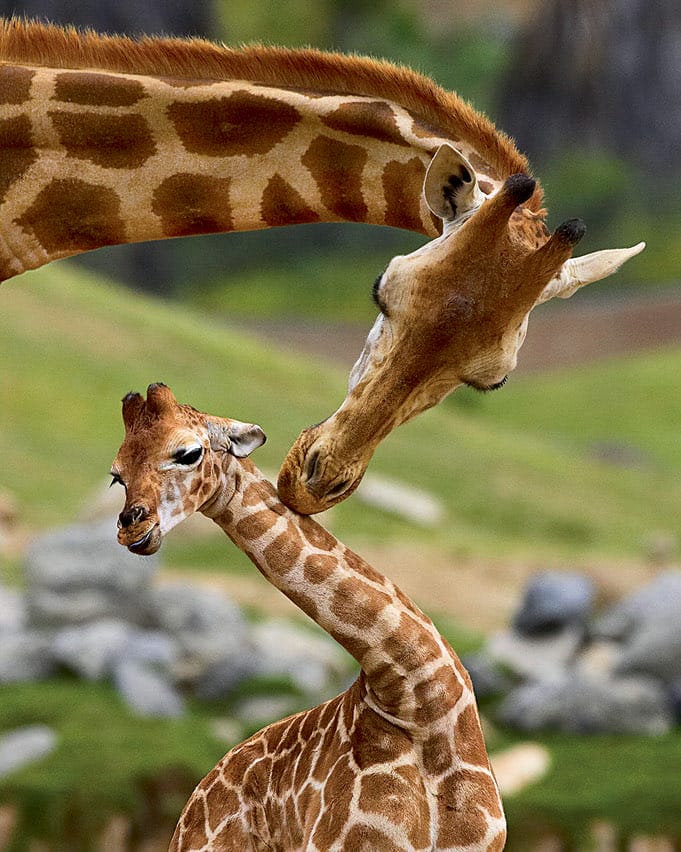
Giraffes
Giraffes are born with horns.
Photo: ZSSD/Minden
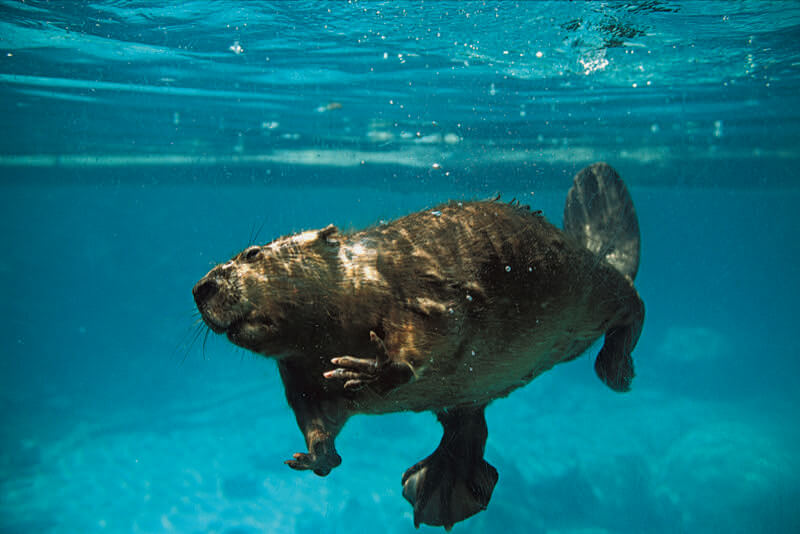
Beaver
A beaver's front teeth are bright orange.
Photo: Konrad Wothe/Minden
Lion
A lion's roar can be heard five miles away.
Photo: ZDDS/Minden
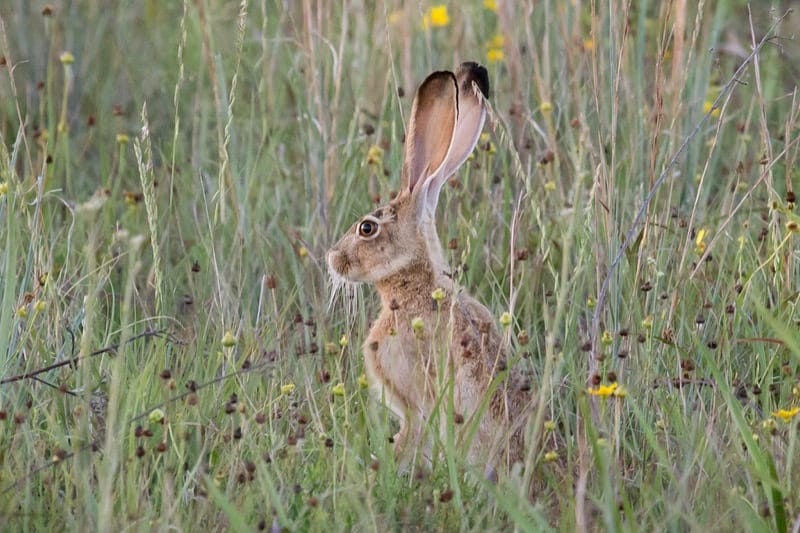
Jackrabbit
A jackrabbit can cover more than 12 feet in a single hop.
Photo: Larry Smith2010
Giraffe
A giraffe's tongue is dark purple.
Photo: Dietmar Nill/Minden
Walrus
A male walrus is called a bull.
Photo: NOAA Photo Library
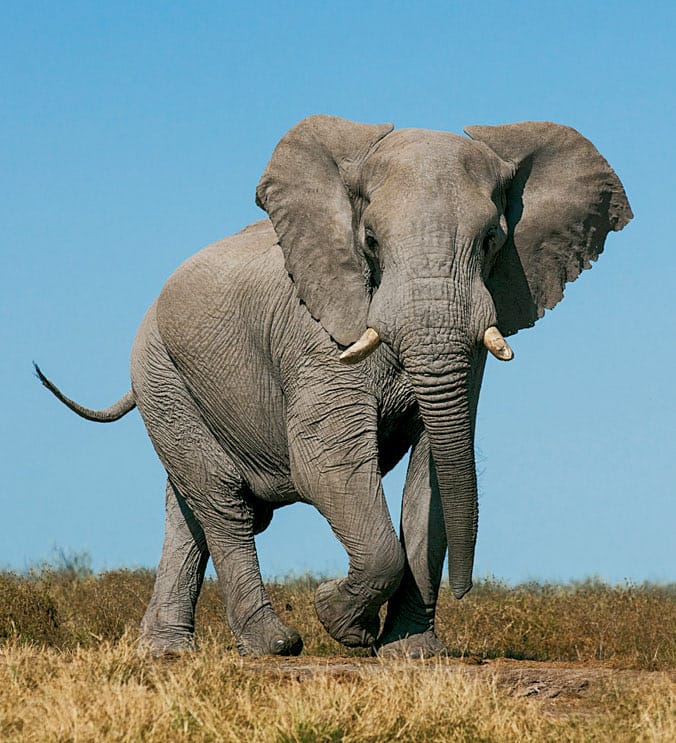
Elephant
An elephant's trunk has more than 100,000 muscles.
Photo: Tony Heald/Naturepl.com/Minden
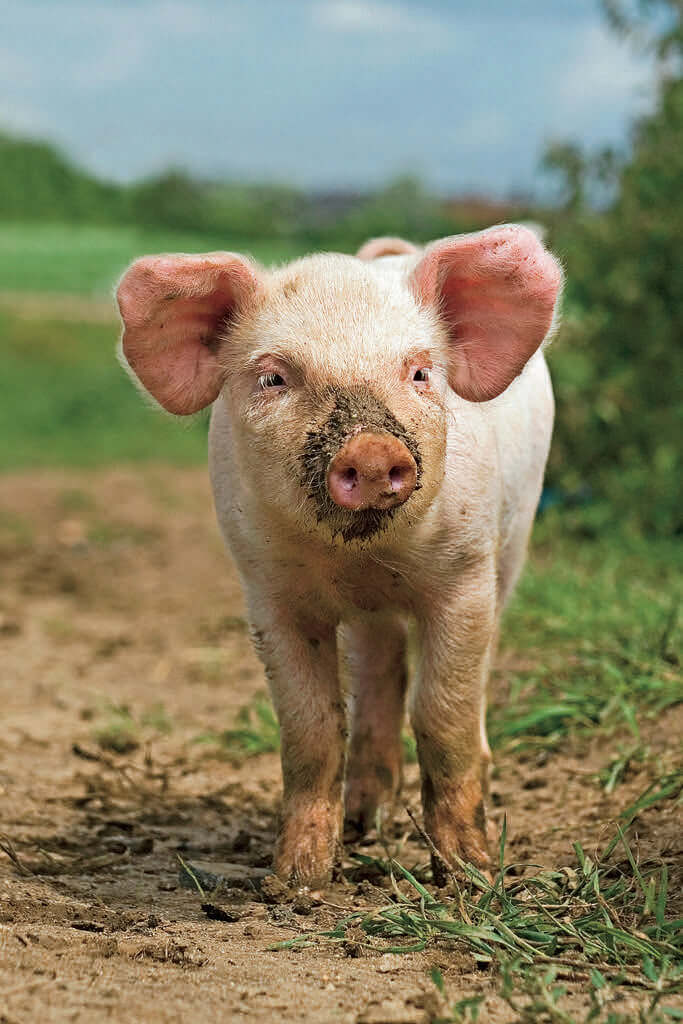
Pig
Pigs don't sweat.
Photo: Paul Sawer/FLPA/Minden
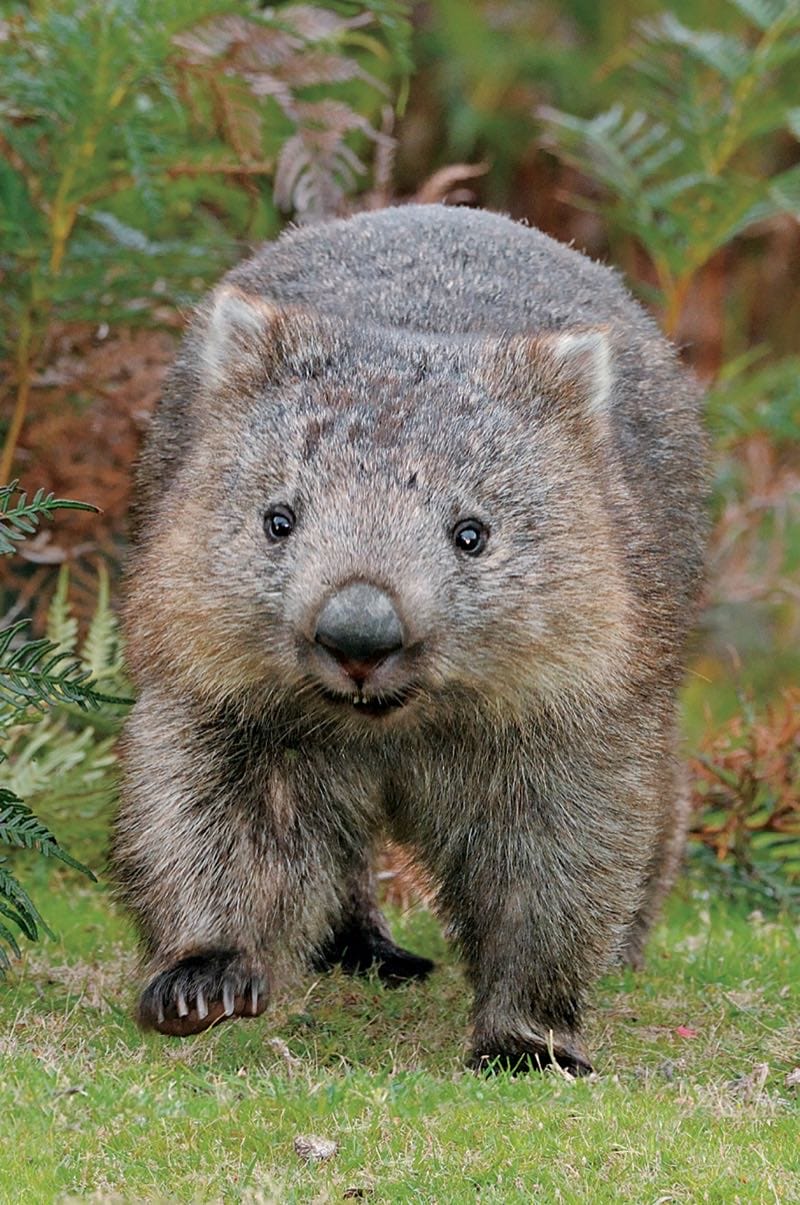
Wombat
Wombat poop is shaped like a cube.
Photo: DAVE WATTS / NPL / MINDEN
Lion
Only male lions have manes.
Photo: ZDDS/Minden
Elephant
An elephant flaps its ears to cool down.
Photo: Tony Heald/Naturepl.com/Minden
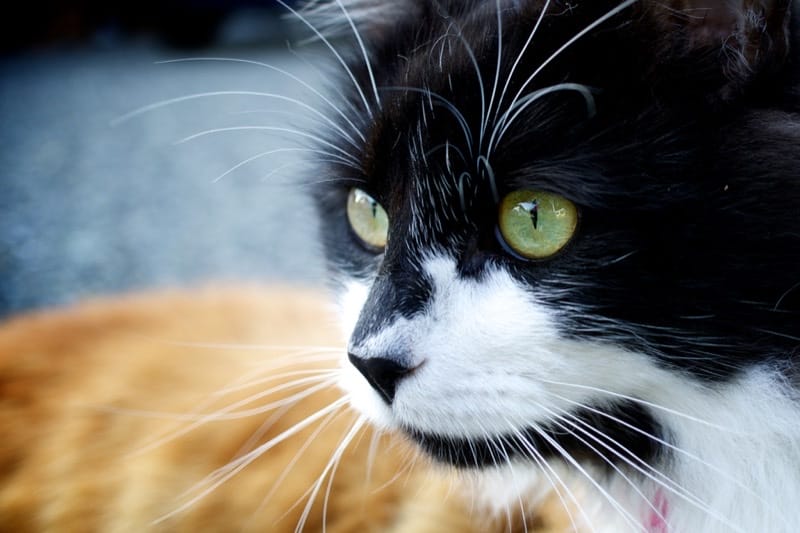
Cat
Cats see six times better at night than people.
Photo: JohnnyLCY
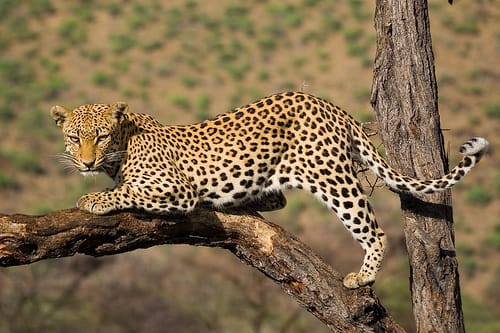
Leopard
A leopard can drag an antelope up a tree.
Photo: antti.keskitalo

Raccoon
A raccoon has fingers that can grab and hold objects.
Photo: Rolf Nussbaumer/NPL/Minden
Kangaroo
A male kangaroo is called a boomer.
Photo: Chris Samuel
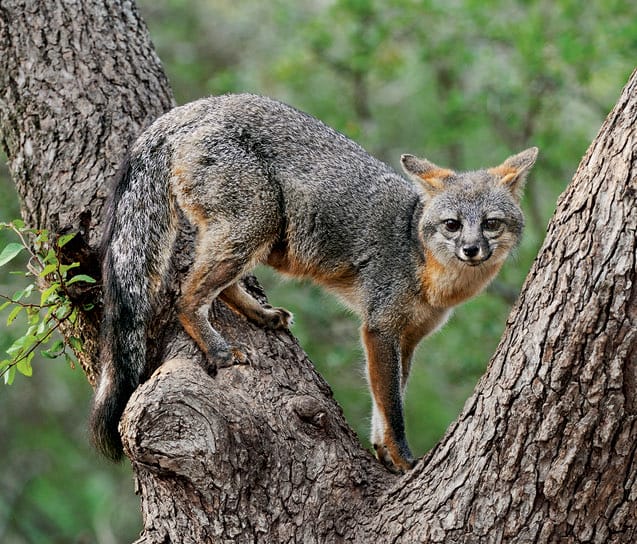
Gray Fox
Gray foxes are the only foxes that can climb trees.
Photo: Folf Nussbaumer/NPL/Minden
Tiger
Tigers have striped skin under their fur.
Photo: Suzi Eszterhas/Minden
Goats
Some goats can climb trees.
Photo: Ignacio Yufera/FLPA/Minden
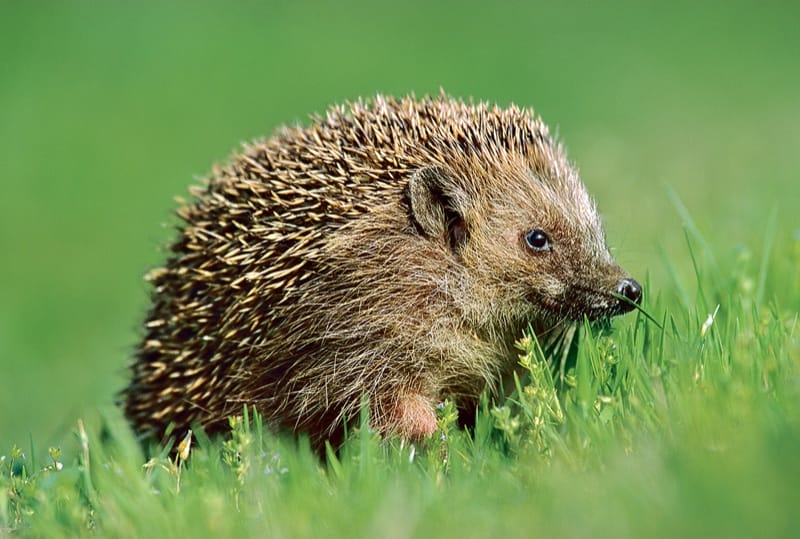
Hedgehog
Hedgehogs have more than 5,000 sharp spines.
Photo: Ingo Arndt/Minden
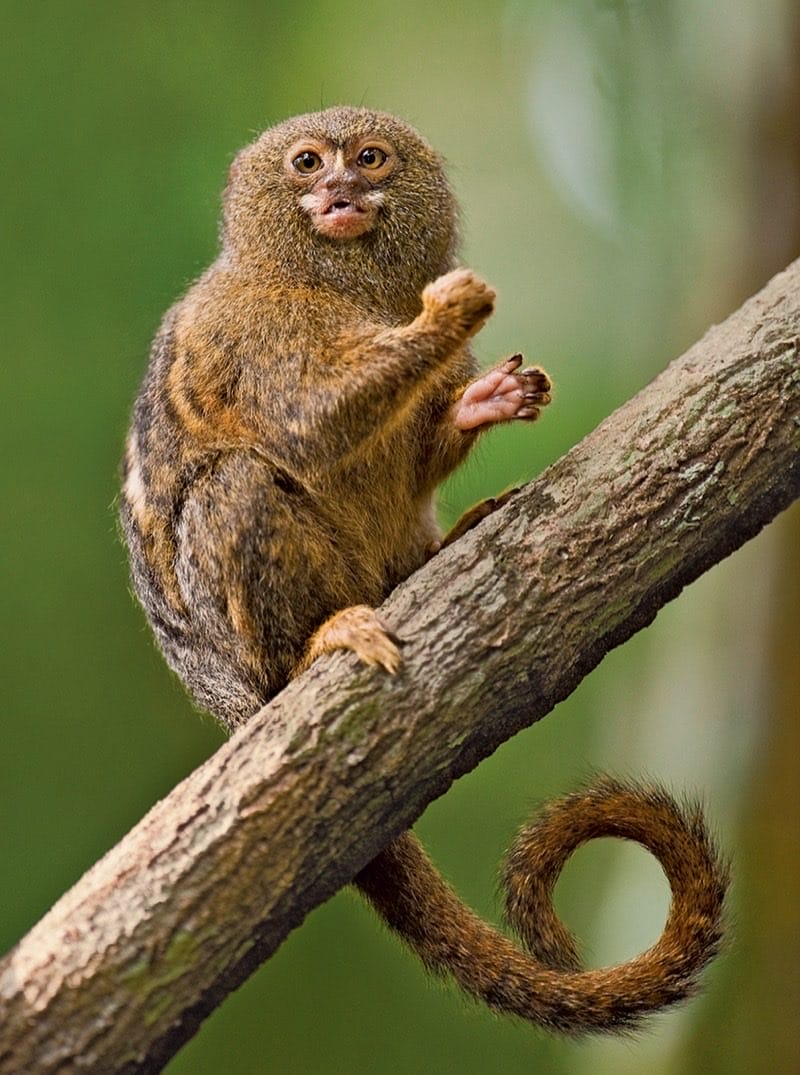
Pygmy Marmoset
A pygmy marmoset weighs as much as a stick of butter.
Photo: PETE OXFORD / MINDEN
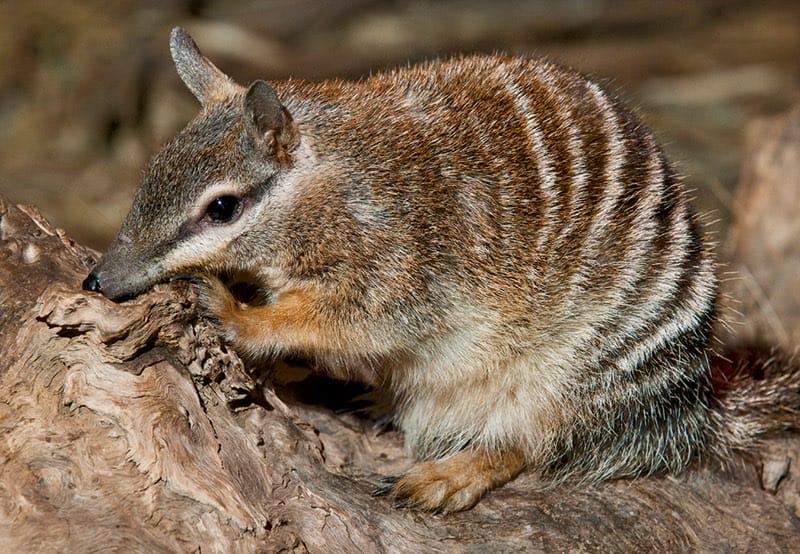
Numbat
A numbat can eat more than 20,000 termites in a day.
Photo: ROLAND SEITRE/ MINDEN
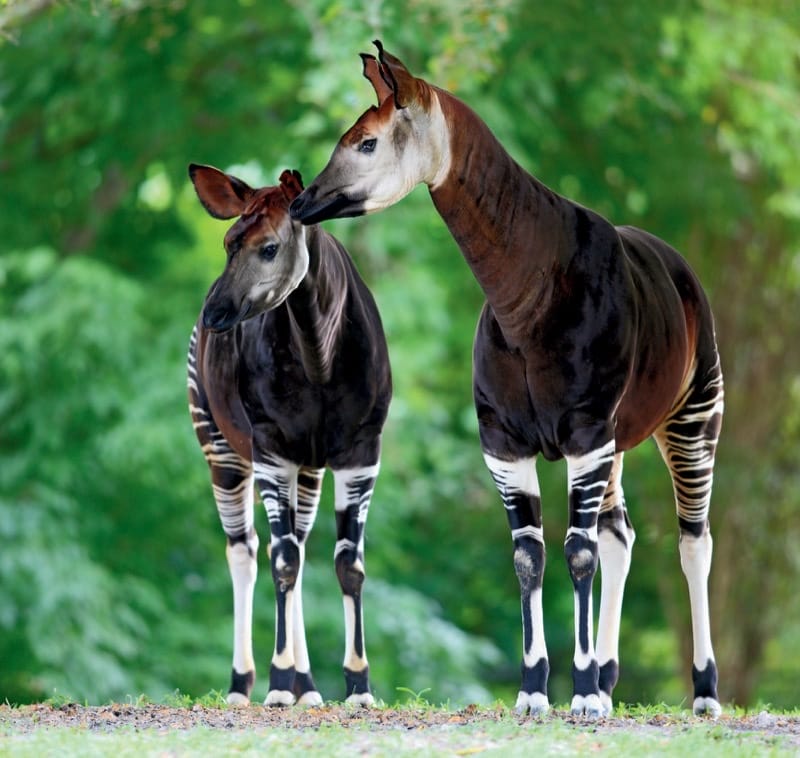
Okapis
Okapis are sometimes called forest zebras.
Photo: JURGEN & CHRISTINE SOHNS / FLPA / MINDEN
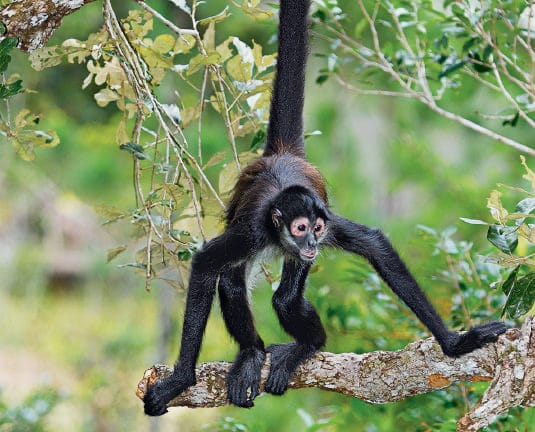
Spider Monkey
A spider monkey's tail can be longer than its body.
Photo: Thomas Marent/Minden
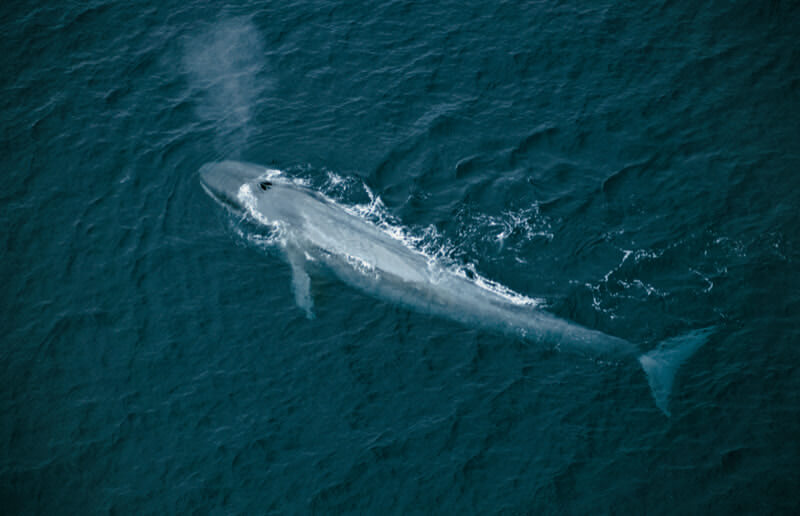
Blue Whale
A blue whale's heart is almost as big as a golf cart.
Photo: Niroya Minakuchi/Minden
Elephant
Elephants can't jump.
Photo: Tony Heald/Naturepl.com/Minden
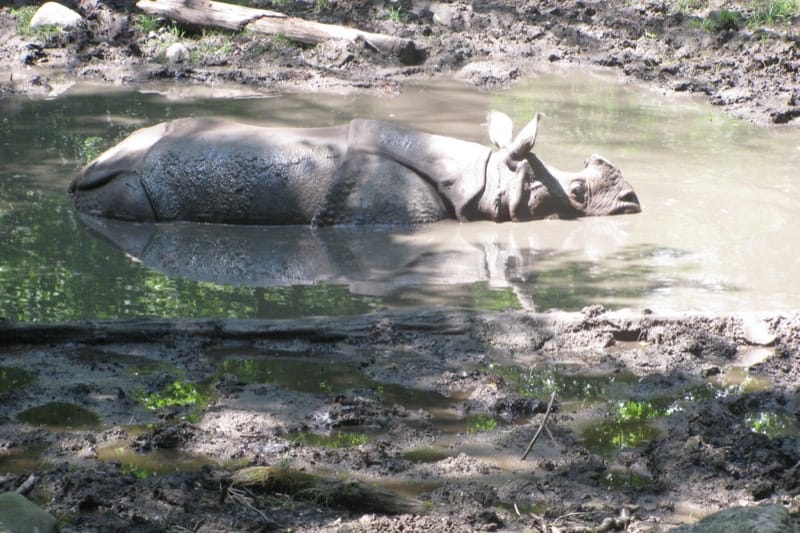
Rhino
Wallowing in mud helps protect a rhino from insects and sunburn.
Photo: edenpictures
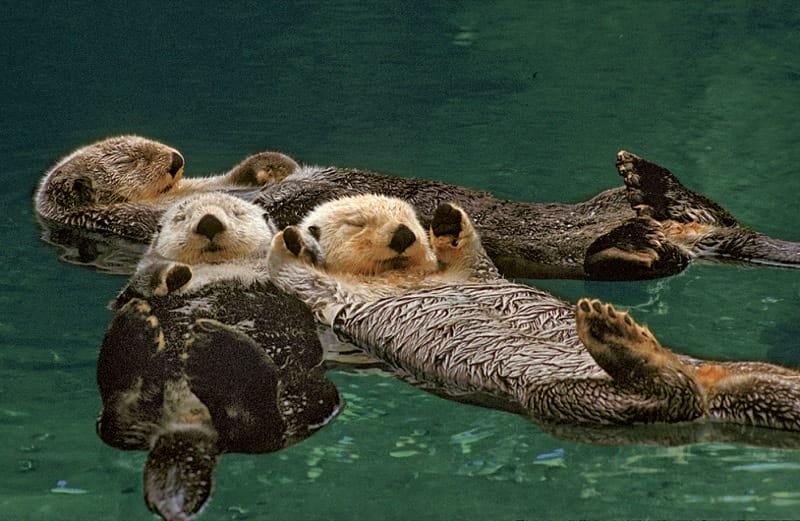
Sea otters
Sea otters hold paws when they sleep so they don’t drift apart.
Photo: MARK NEWMAN / FLPA / MINDEN
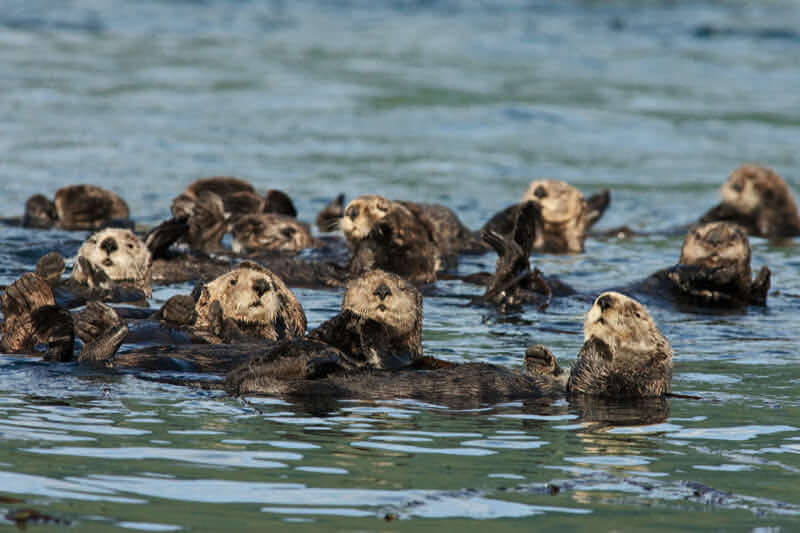
Sea Otters
A group of sea otters is called a raft.
Photo: Matthias Breiter/Minden
Gorilla
Adult male gorillas are called silverbacks.
Photo: Ross Elliott
Giraffe
A giraffe has the same number of bones in its neck as a person.
Photo: Dietmar Nill/Minden
Blue Whale
Blue whales do not have teeth.
Photo: Niroya Minakuchi/Minden
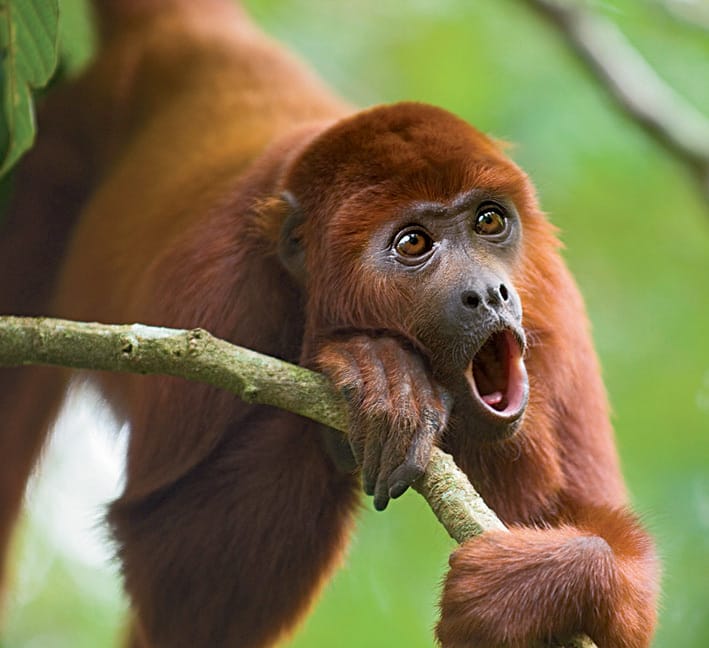
Howler Monkey
A howler monkey's call can be heard from three miles away.
Photo: Mark Bowler/Minden
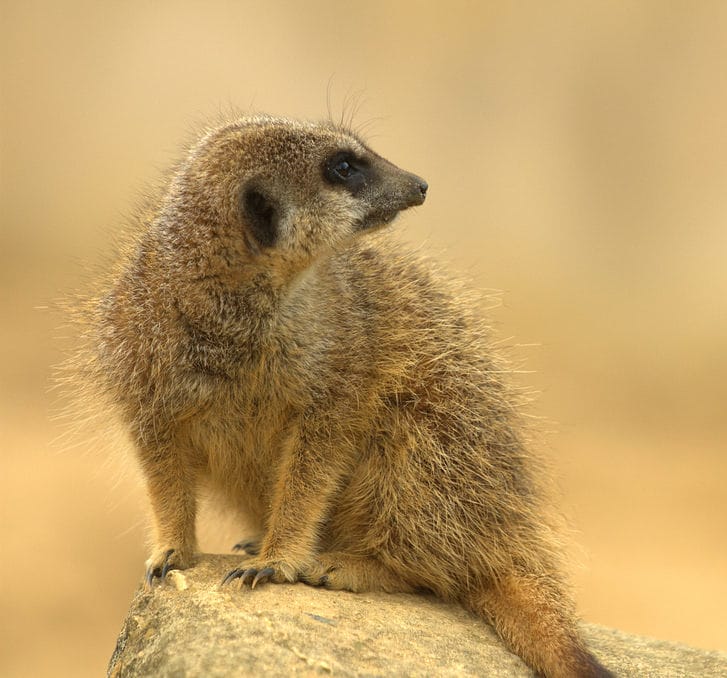
Meerkat
In a group of meerkats, nearly everyone—male and female—takes turns babysitting the group's pups.
Photo: frielp
Lion
All females in a lion pride are related.
Photo: ZDDS/Minden
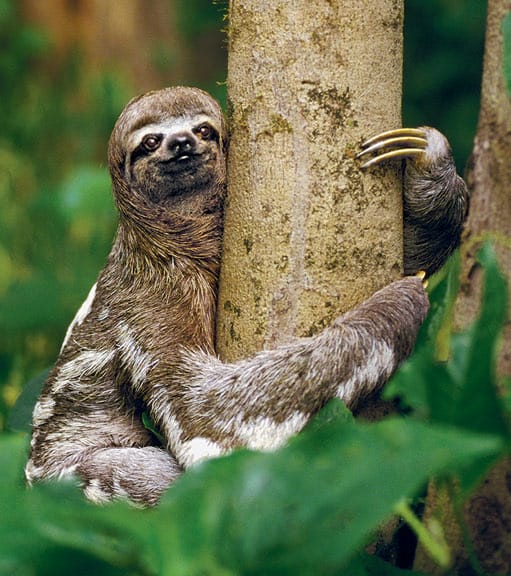
Sloth
A sloth goes to the bathroom once a week.
Photo: Gerry Ellis / Minden
Cheetah
A cheetah can run faster than any other animal.
Photo: tenorserrano
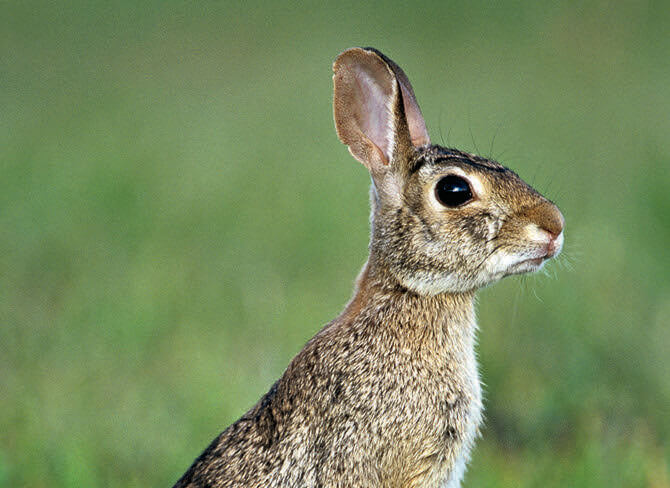
Rabbit
A male rabbit is called a buck.
Photo: Rolf Nussbaumer/Naturepl.com/Minden
Bison
A bison weighs nearly as much as a small car.
Photo: DONALD M. JONES / MINDEN PICTURES
Panda
A newborn panda weighs about as much as a deck of cards.
Photo: MITSUAKI IWAGO / MINDEN
Koala
A koala eats almost nothing but eucalyptus leaves.
Photo: Suzi Eszterhas/Minden Pictures
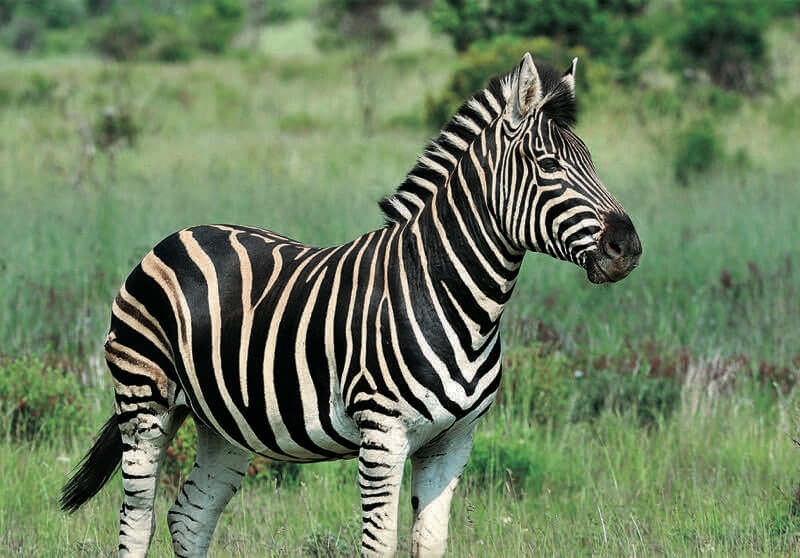
Zebra
Zebras have black skin under their striped coat.
Photo: John Zimmerman/FLPA/Minden
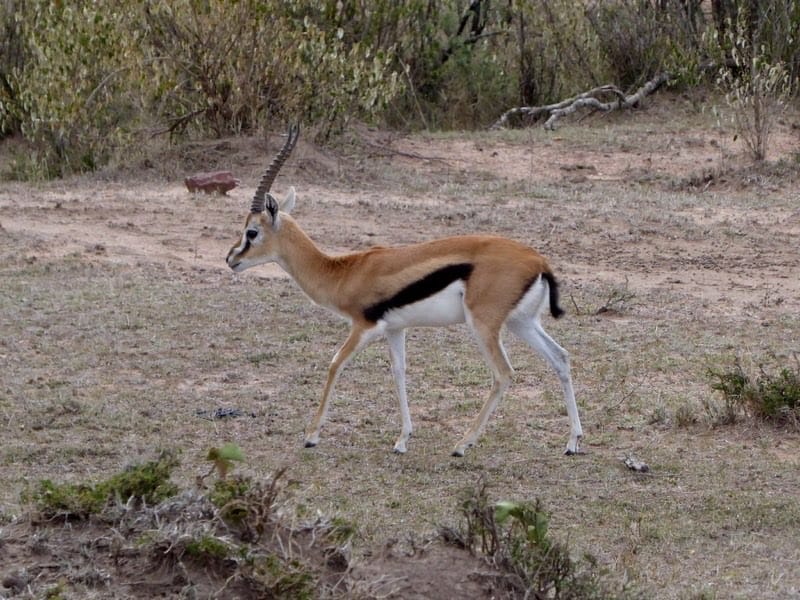
Gazelle
A two-day-old gazelle can outrun an adult horse.
Photo: Regina Hart
Kangaroo
A male kangaroo is called a boomer.
Photo: Chris Samuel
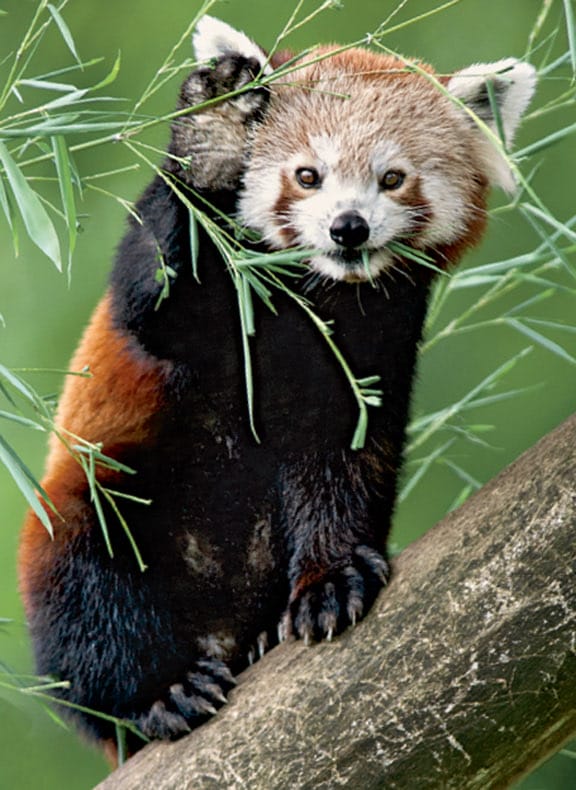
Red Panda
A red panda has fur on the bottoms of its feet.
Photo: Duncan Usher / Minden
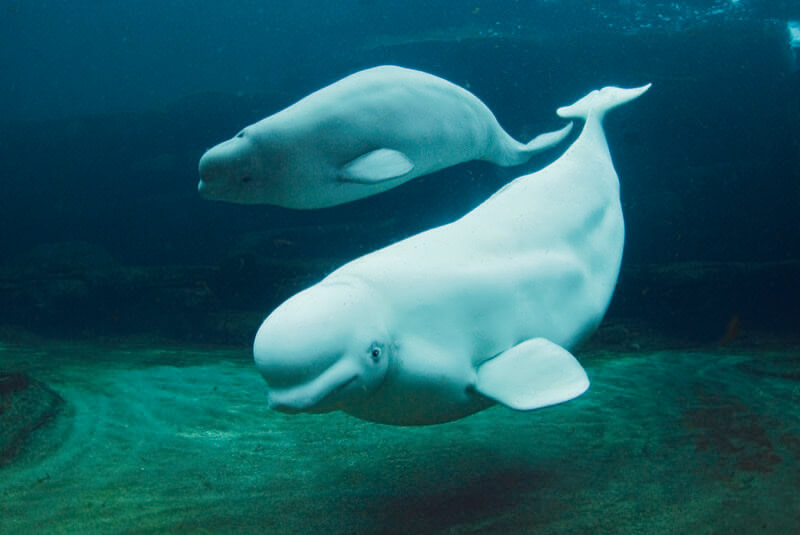
Beluga Whale
Beluga whales can swim forward and backward.
Photo: Norbert Wu/Minden
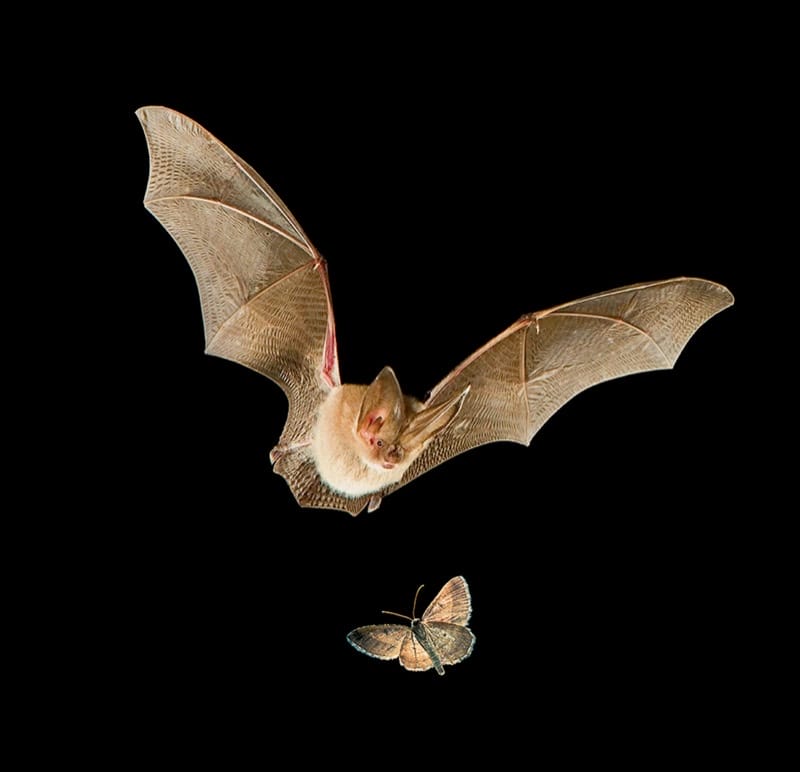
Bat
A bat can gobble up thousands of insects in a night.
Photo: Michael Durham/Minden
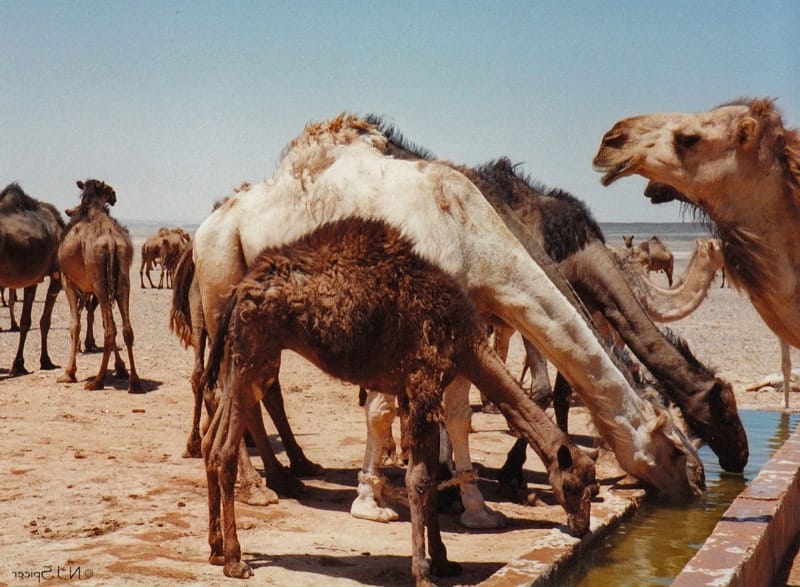
Camel
Camels can go for more than two weeks without drinking. But when they finally get near water, they can really fill up! One thirsty camel drank 27 gallons of water in 10 minutes!
Photo: neiljs
Koala
Koalas almost never drink water.
Photo: Suzi Eszterhas/Minden Pictures
Rabbit
A baby rabbit is called a kit.
Photo: Rolf Nussbaumer/Naturepl.com/Minden
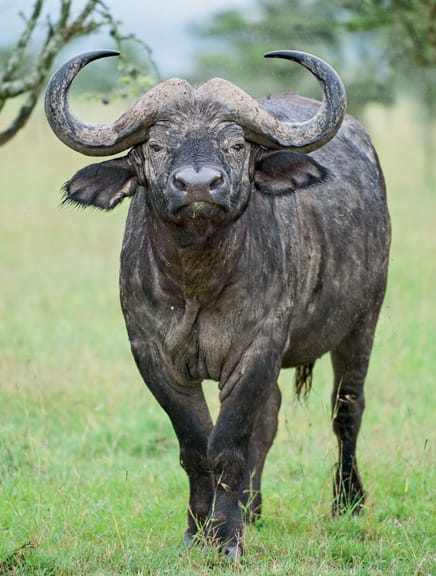
Cape Buffalo
Cape buffaloes have poor eyesight but a good sense of smell.
Photo: SEAN CRANE / MINDEN
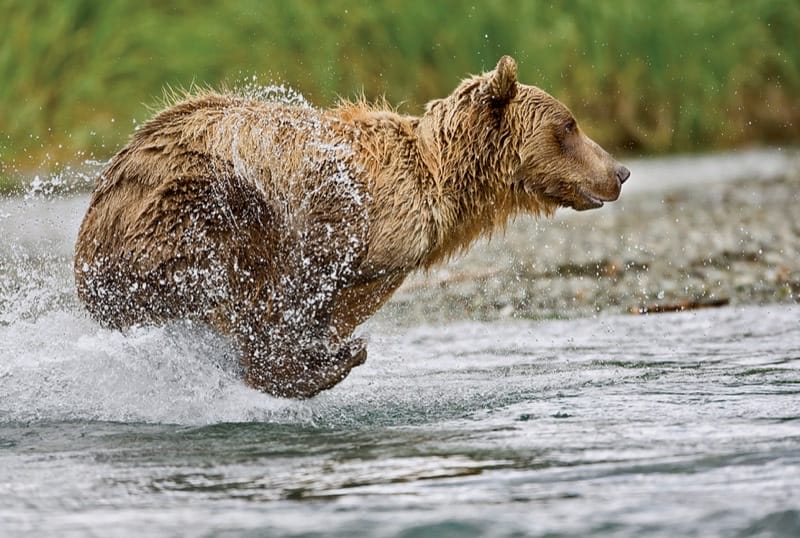
Grizzly Bear
A grizzly bear can run as fast as a horse.
Photo: Mary McDonald/NPL/Minden
Tiger
A tiger’s big pointy teeth can be three inches long.
Photo: Suzi Eszterhas/Minden
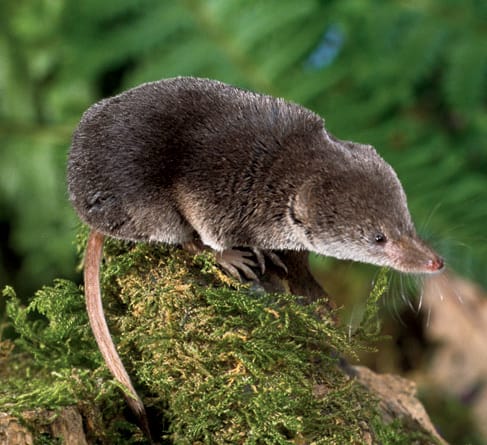
Shrew
A shrew needs to eat every couple of hours to survive.
Photo: Derek Middleton/FLPA/Minden
Koala
A koala is not a bear.
Photo: Suzi Eszterhas/Minden Pictures
Kangaroo
A kangaroo is the size of a lima bean when it is born.
Photo: Chris Samuel
Beaver
A beaver’s home is called a lodge.
Photo: Konrad Wothe/Minden
Giraffe
A giraffe sleeps for 2 to 6 minutes at a time.
Photo: Dietmar Nill/Minden
Bat
Bats are the only mammals that fly.
Photo: Michael Durham/Minden
Elephant
Elephants sometimes "purr" when eating.
Photo: Tony Heald/Naturepl.com/Minden
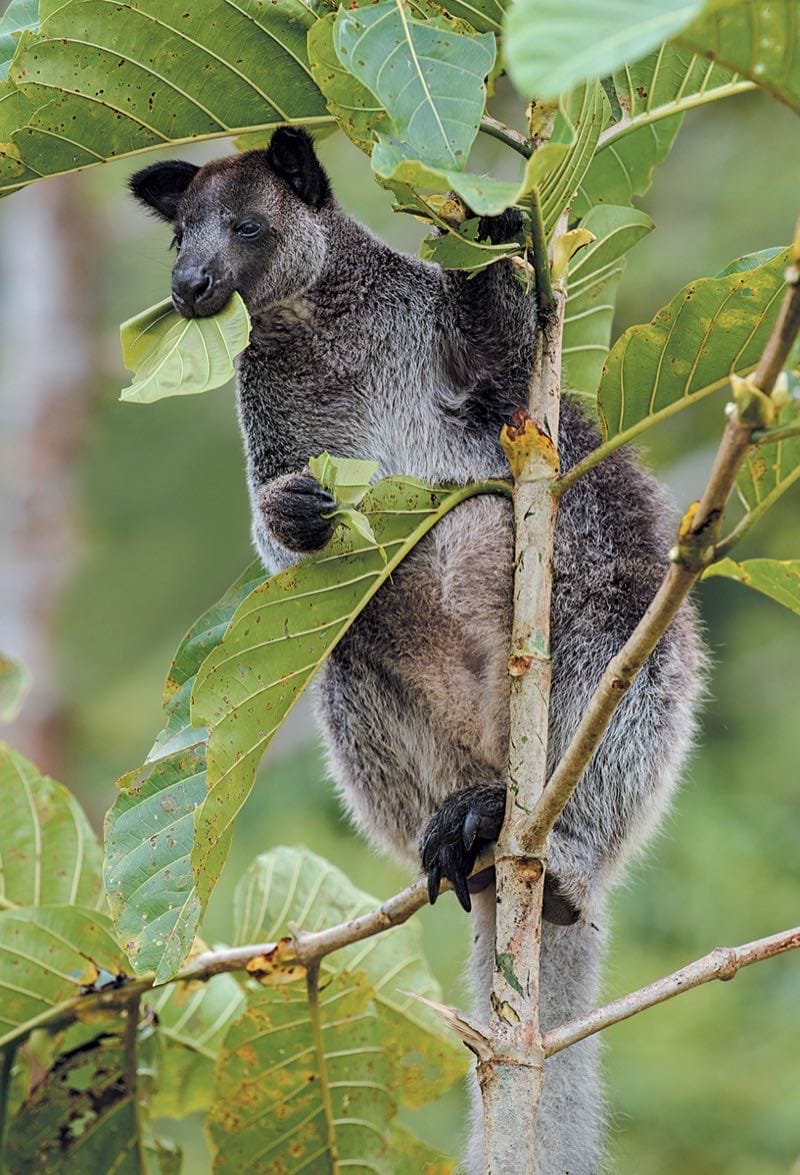
Tree Kangaroo
Tree kangaroos live in trees.
Photo: CHIEN LEE / MINDEN PICTURES
Hippo
A hippo can outrun a human.
Photo: THOMAS DRESSLER / ARDEA
Tiger
Every tiger has its own pattern of stripes.
Photo: Suzi Eszterhas/Minden
Rabbit
A rabbit's teeth never stop growing.
Photo: Rolf Nussbaumer/Naturepl.com/Minden
Leopard
A leopard's spots are called rosettes.
Photo: antti.keskitalo
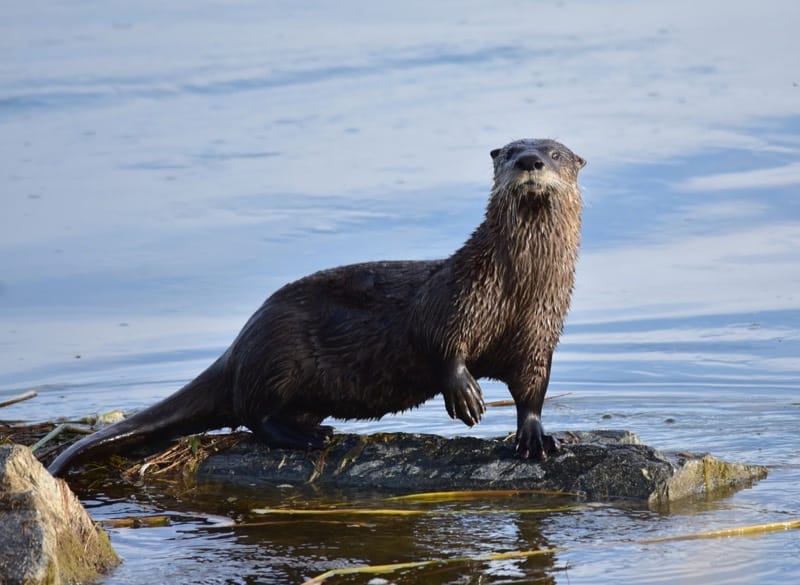
River Otter
River otters often seem playful. They slide down muddy slopes, chase each other underwater, and dive for pebbles.
Photo: USFWS Mountain Prairie
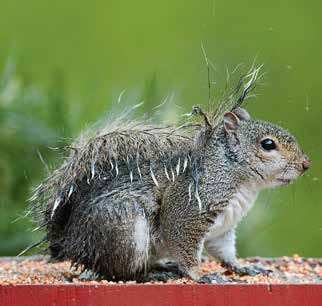
Squirrel
Sometimes gray squirrels use their bushy tails as umbrellas!
Photo: LENNIE & USCHI RUE III/RUE
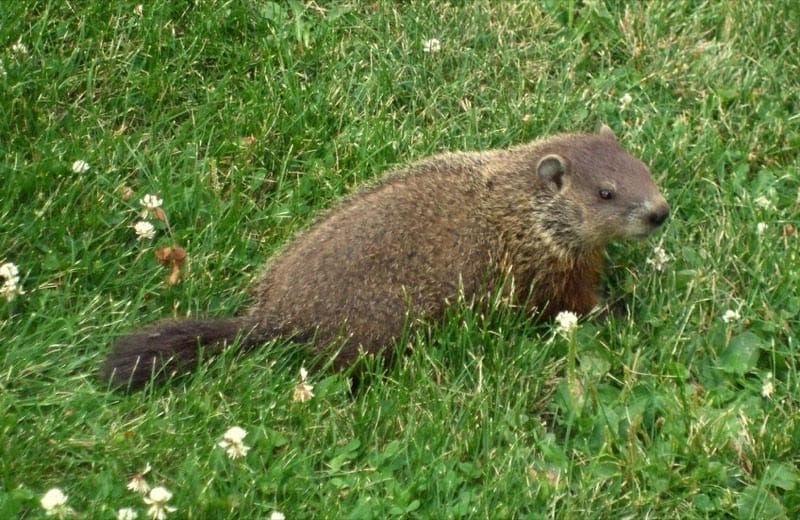
Groundhog
Some groundhogs spend half the year hibernating.
Photo: tachyondecay
Groundhog
Groundhogs are sometimes called "whistle pigs."
Photo: tachyondecay
Cow
A cow chews for up to 8 hours a day.
Photo: Nigel Cattlin/FLPA/Minden
Sea Otters
Sea otters have thicker fur than any other animal.
Photo: Matthias Breiter/Minden
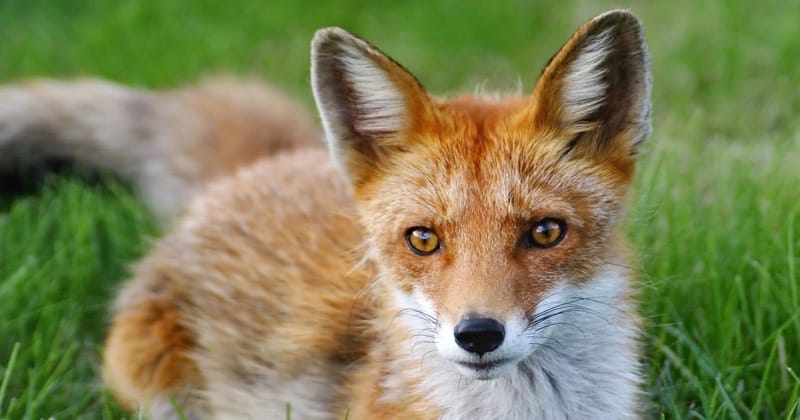
Foxes
Foxes are related to dogs.
Photo: Pixabay
Panda
Panda poop can be made into paper.
Photo: MITSUAKI IWAGO / MINDEN
Kangaroo
Red kangaroos keep cool by soaking their arms with saliva (spit).
Photo: Chris Samuel
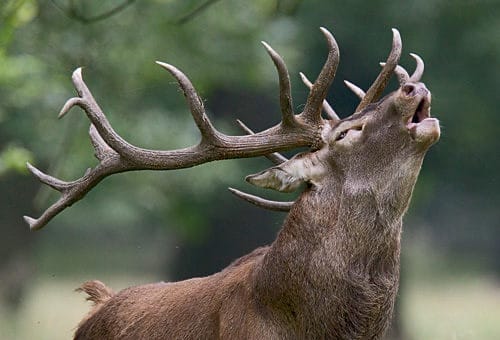
Red Deer
Red deer can roar.
Photo: Cyril Ruoso/Minden
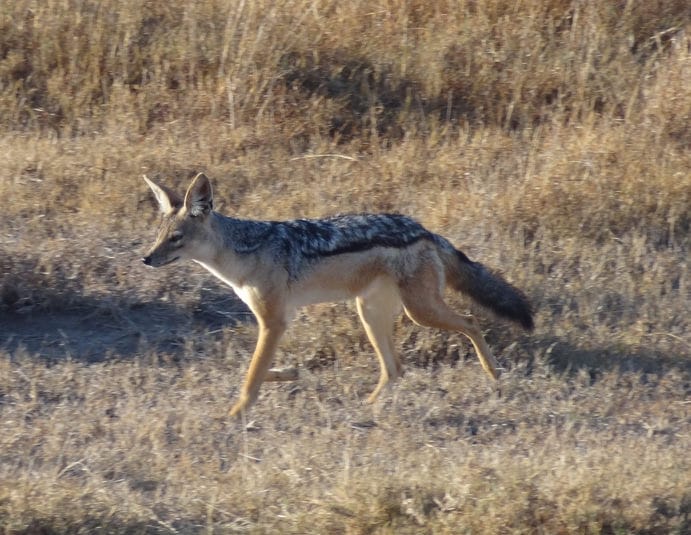
Jackal
Some jackals help their parents take care of younger brothers and sisters.
Photo: kathrynbullock
Orangutan
Orangutans use leaves as umbrellas.
Photo: Suzi Eszterhas/Minden
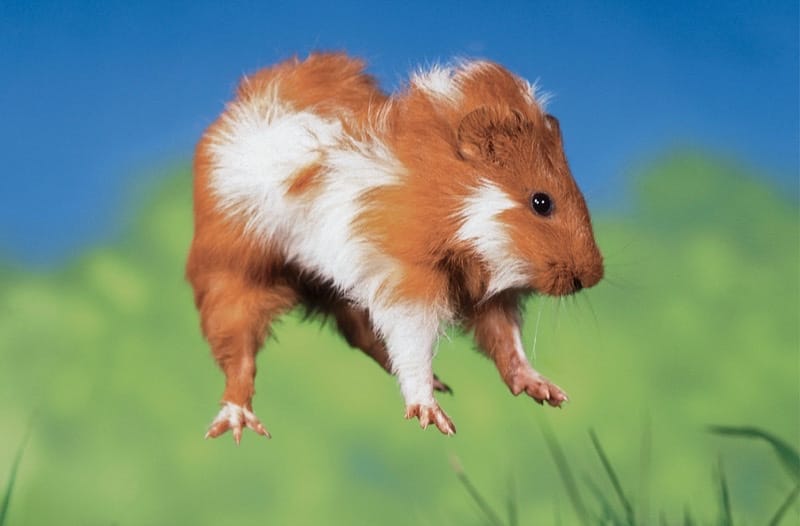
Guinea Pig
Guinea pigs jump straight up when they are happy. This is called popcorning.
Photo: Juniors Bildarchiv/GMBH//ALAMY STOCK PHOTO
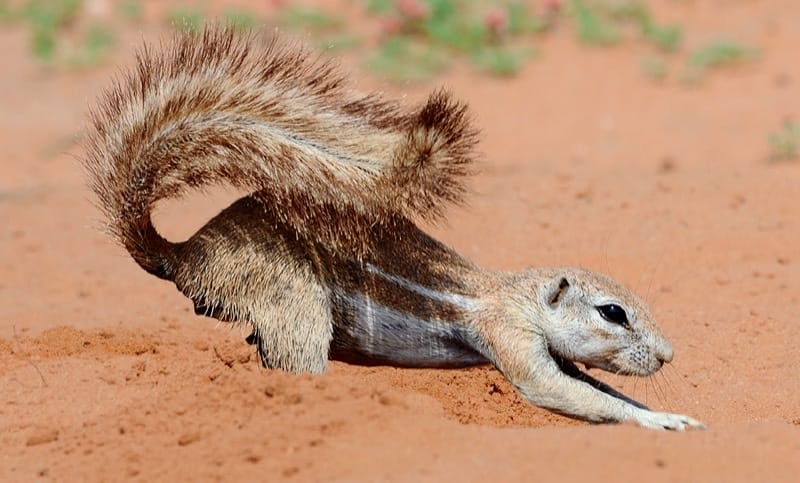
Cape Ground Squirrel
A Cape ground squirrel uses its tail as a sunshade.
Photo: Jouan Rius / NPL / Minden
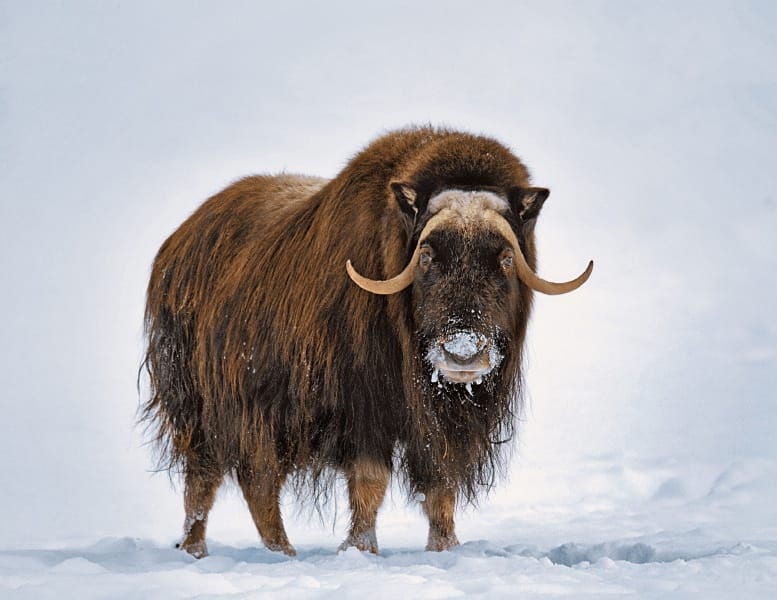
Musk Ox
A musk ox grows the longest hair of any animal.
Photo: Mark Newman/FLPA/Minden
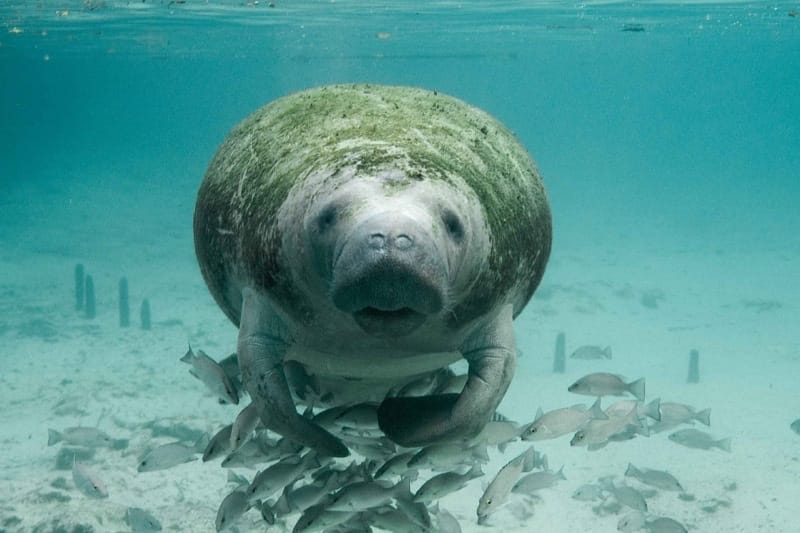
Manatee
A manatee eats about 100 pounds of plants every day!
Photo: pixabay
Giraffe
A giraffe uses its 18-inch-long tongue to strip leaves off branches.
Photo: Dietmar Nill/Minden
Mollusks
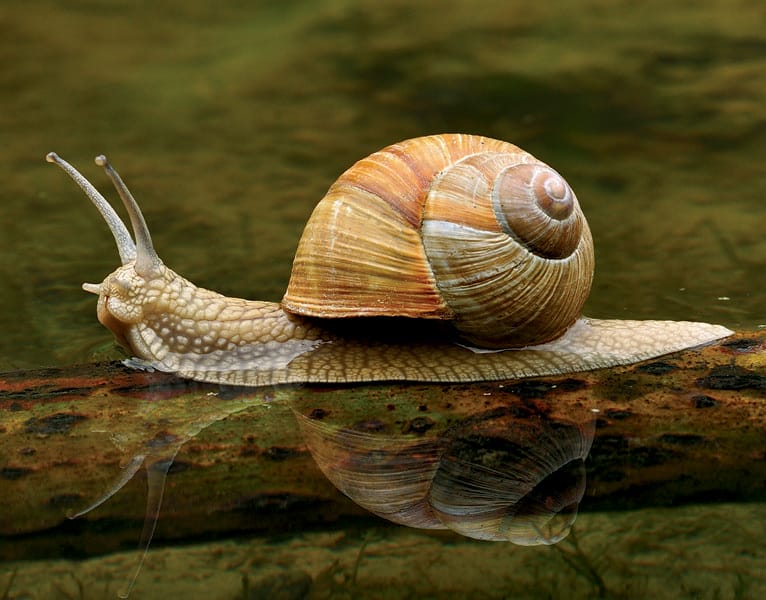
Snail
Snails don't have ears.
Photo: Thomas Marent/Minden
Snails
Snails have eyes on the ends of long stalks.
Photo: Thomas Marent/Minden
Reptiles
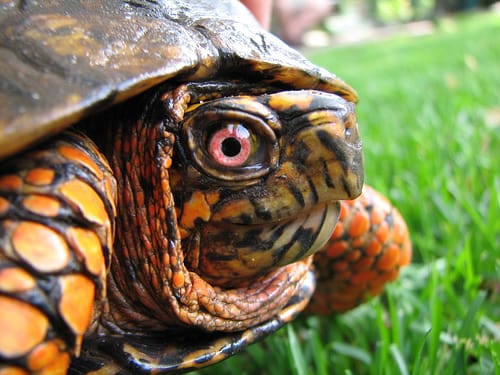
Box Turtle
Box turtles can completely close up their shells. They really know how to "box themselves in."
Photo: audreyjm529
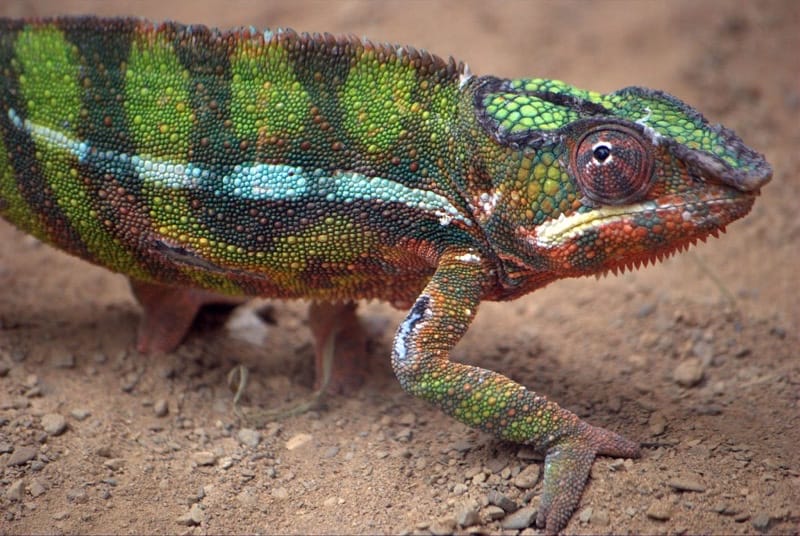
Chameleons
A chameleon (kuh-MEEL-yun) can change the color and pattern of its skin in less than a minute.
Photo: anubis333
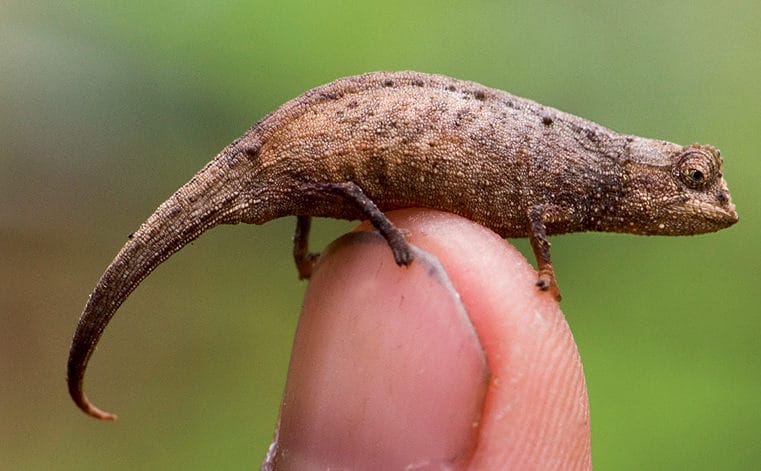
Leaf Chameleon
A leaf chameleon is the smallest chameleon.
Photo: Edwin Giesbers/Naturepl.com/Minden
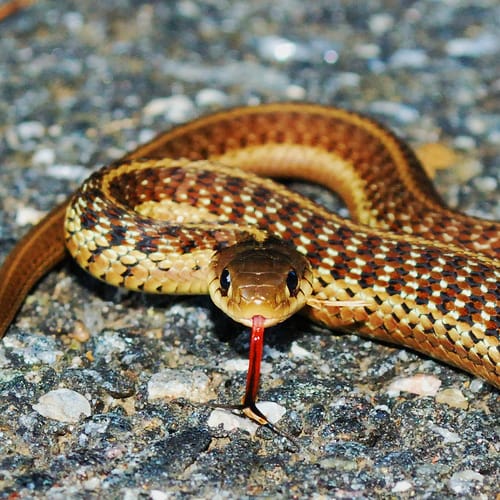
Snake
A snake has no eyelashes or eyelids.
Photo: DWRose
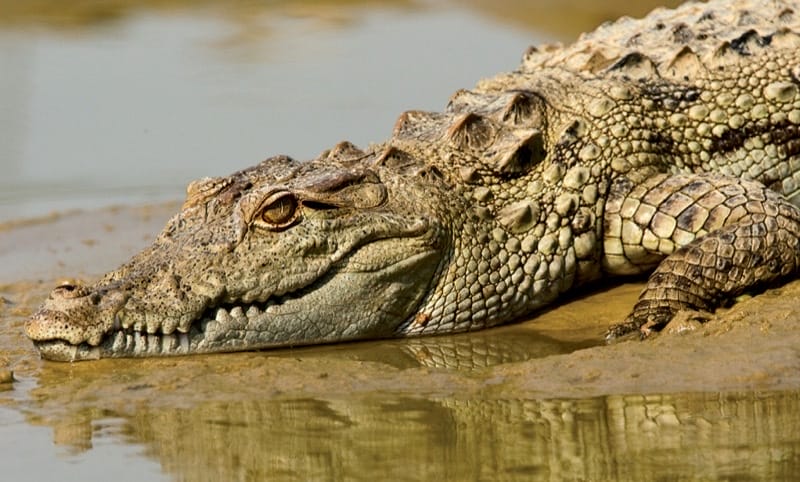
Crocodile
A crocodile can live for more than a year without eating.
Photo: OTto Plantema/Buiten-Beeld
Crocodile
A saltwater crocodile may grow to 25 feet. That's as long as a small school bus.
Photo: OTto Plantema/Buiten-Beeld
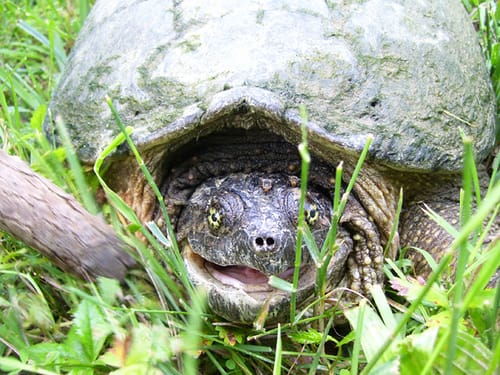
Turtle
Turtles don't have teeth.
Photo: Pideaux
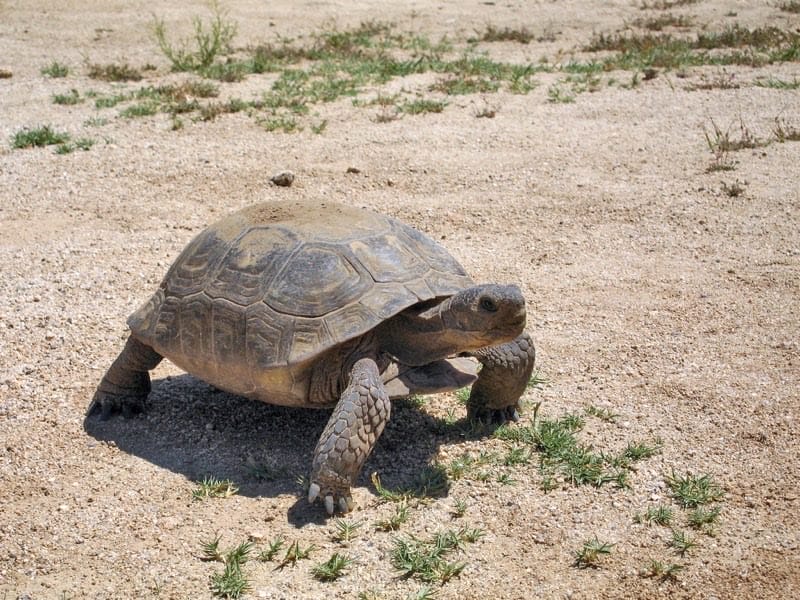
Tortoise
A desert tortoise can store up to a pint of water in sacs beneath its shell.
Photo: Joshua Tree National Park
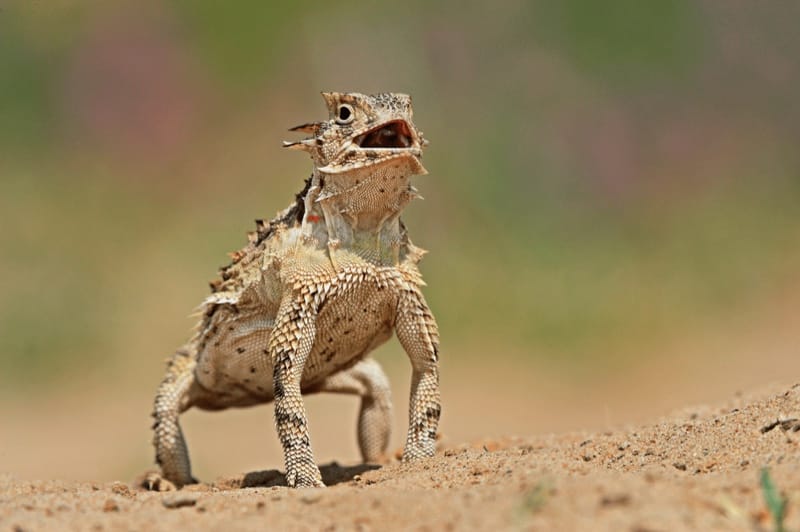
Horned Lizard
A horned lizard can squirt blood out of its eyes.
Photo: ROLF NUSSBAUMER / NPL / MINDEN PICTURES
Snake
Snakes do not have eyelids.
Photo: DWRose
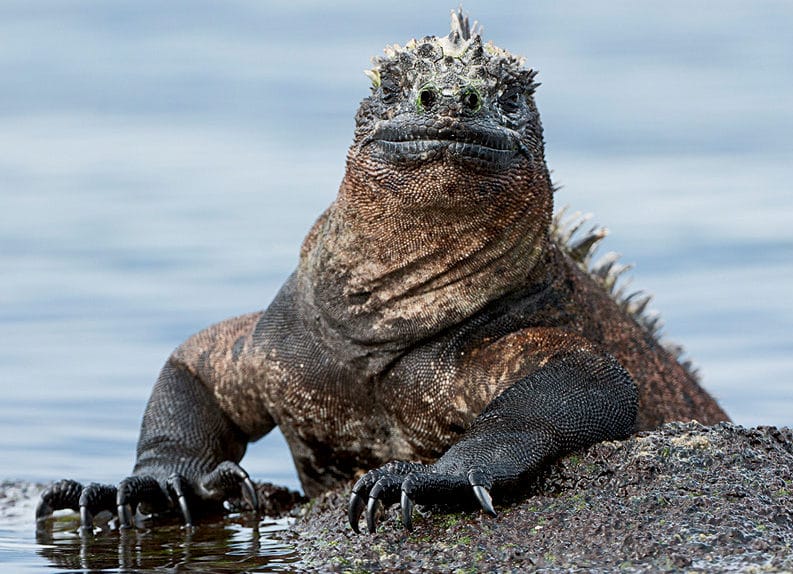
Marine Iguana
The marine iguana is the only lizard that lives in the ocean.
Photo: Tui De Roy/Minden Pictures
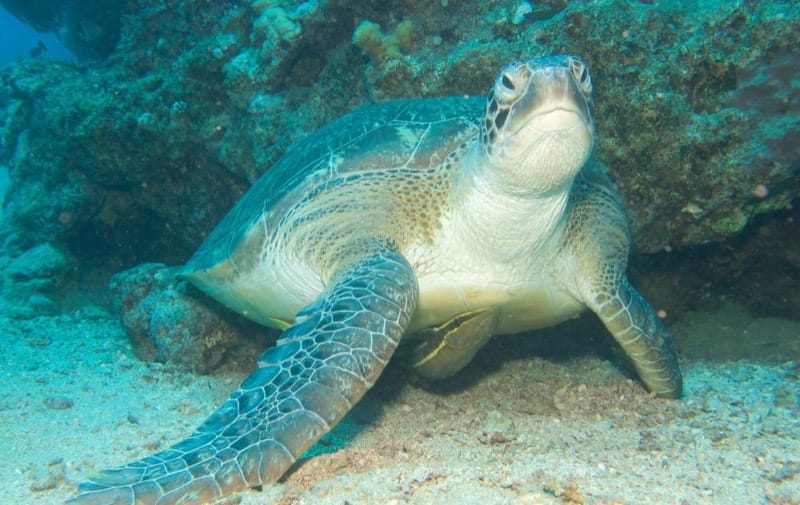
Green Sea Turtle
The green sea turtle can swim 22 miles per hour.
Photo: prilfish
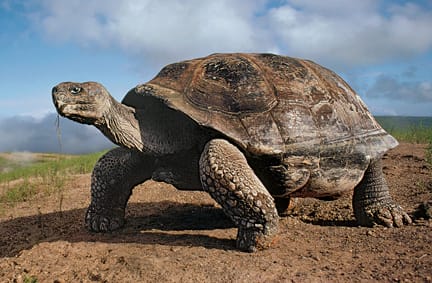
Galápagos tortoise
A Galápagos tortoise can go for a year without eating or drinking.
Photo: Tui De Roy/Minden Pictures
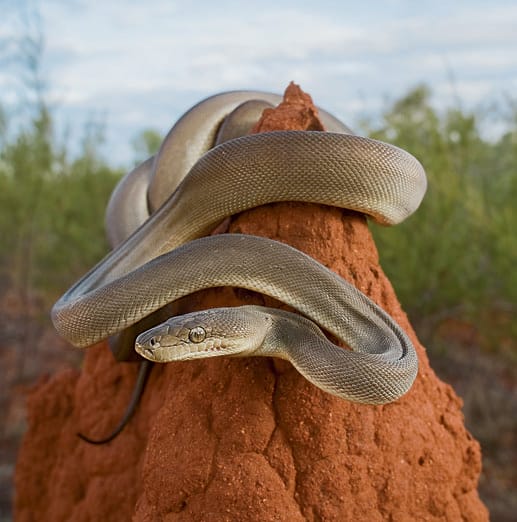
Python
A python can go for a year without eating.
Photo: Jurgen freund/NPL/Minden PIctures
Snake
Snakes smell with their tongues.
Photo: DWRose
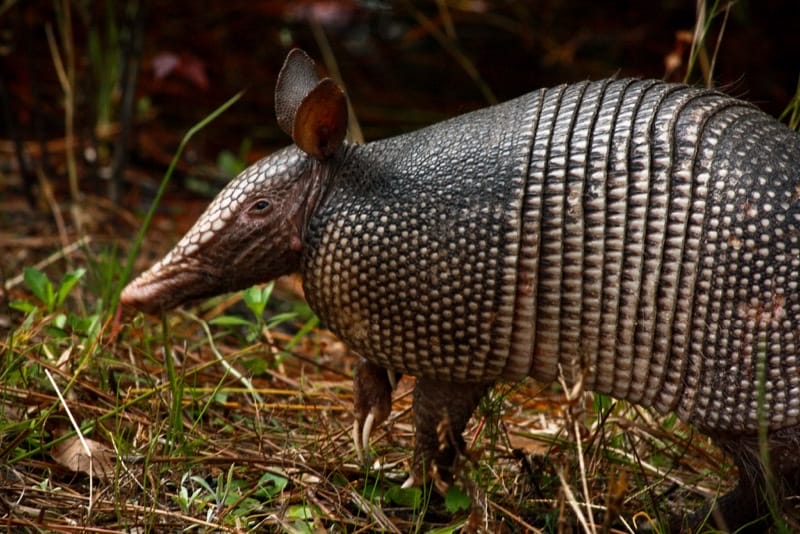
Armadillo
A python can go for a year without eating.
Photo: Jurgen freund/NPL/Minden PIctures
Starfish & Urchins
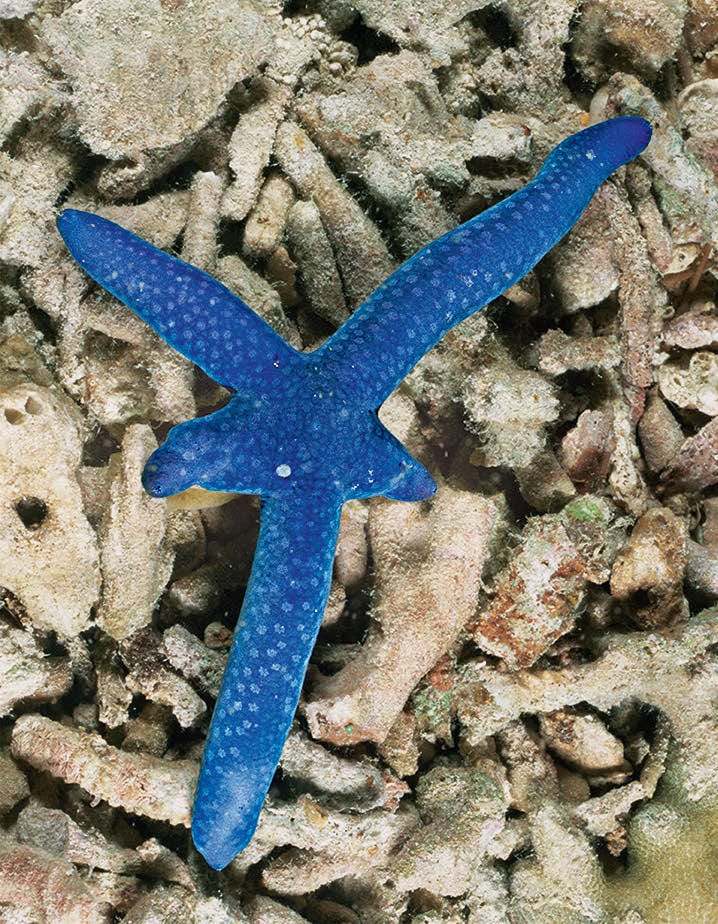
Sea Star
If a sea star loses an arm, it can grow a new one.
Photo: Doug Perrine/NPL/Minden
Worms
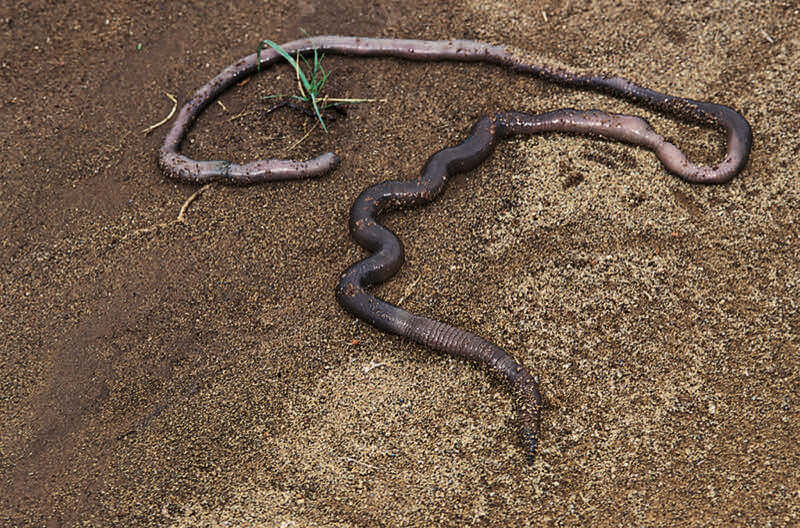
Earthworm
The largest known earthworm was longer than a car.
Photo: Tony Heald/Naturepl.com/Minden Pictures
Earthworm
Earthworms breathe through their skin.
Photo: Tony Heald/Naturepl.com/Minden Pictures